


Blog / February 17, 2026
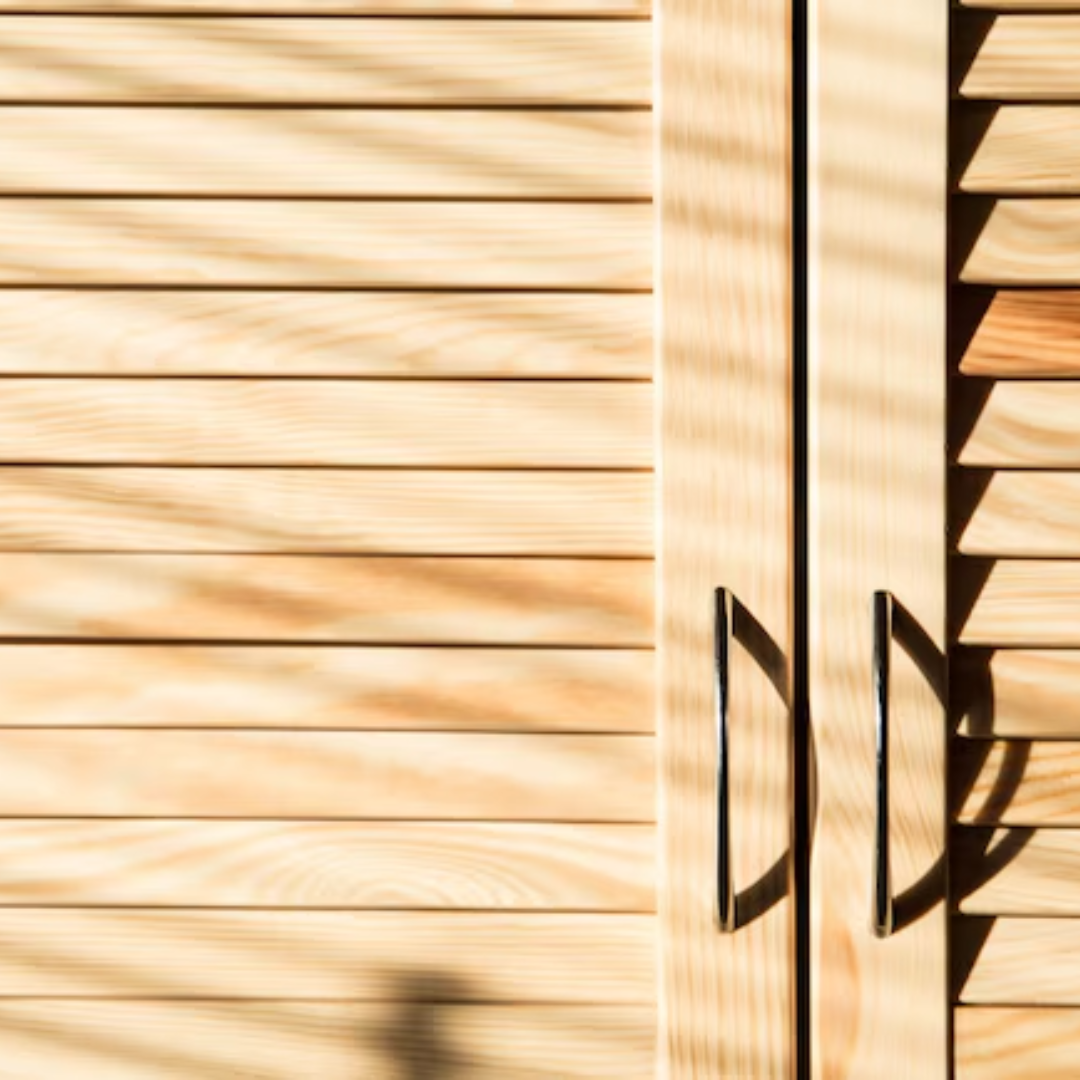
A Technical Explanation of Resin Impregnation, Resin Content & Process Control – The Samrat HPL Advantage Delamination is one of the most serious long-term risks in layered materials. It refers to the separation of internal layers over time, often caused by weak bonding, moisture entry, or poor manufacturing control conditions…
Blog / February 13, 2026
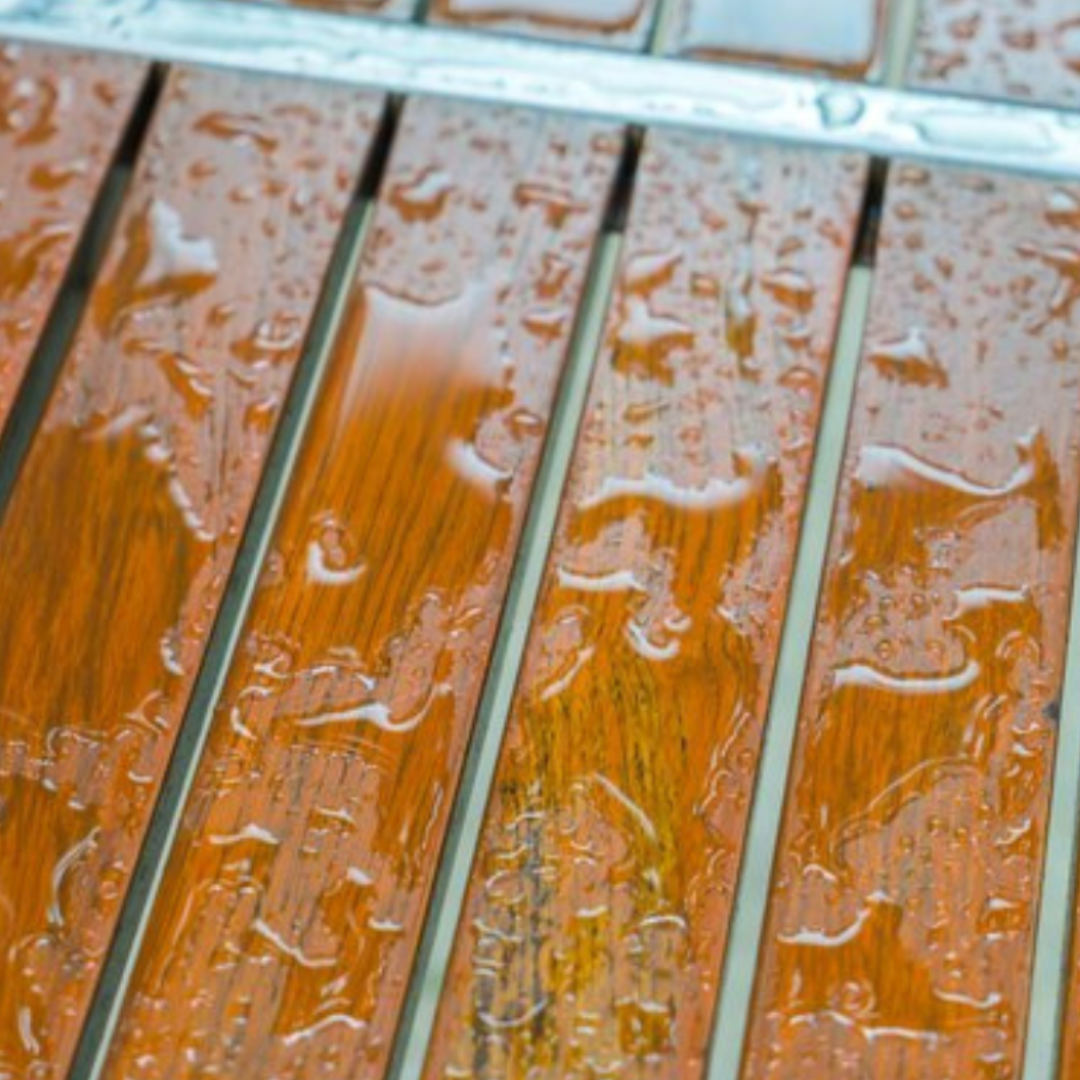
A Technical Yet Simple Explanation And Where Samrat HPL Clearly Differentiates One of the most common questions asked by architects, contractors, and even homeowners is: “Does Exterior HPL absorb water?” Because HPL is made using kraft paper layers, many people assume it behaves like wood or plywood. This…
Blog / February 10, 2026
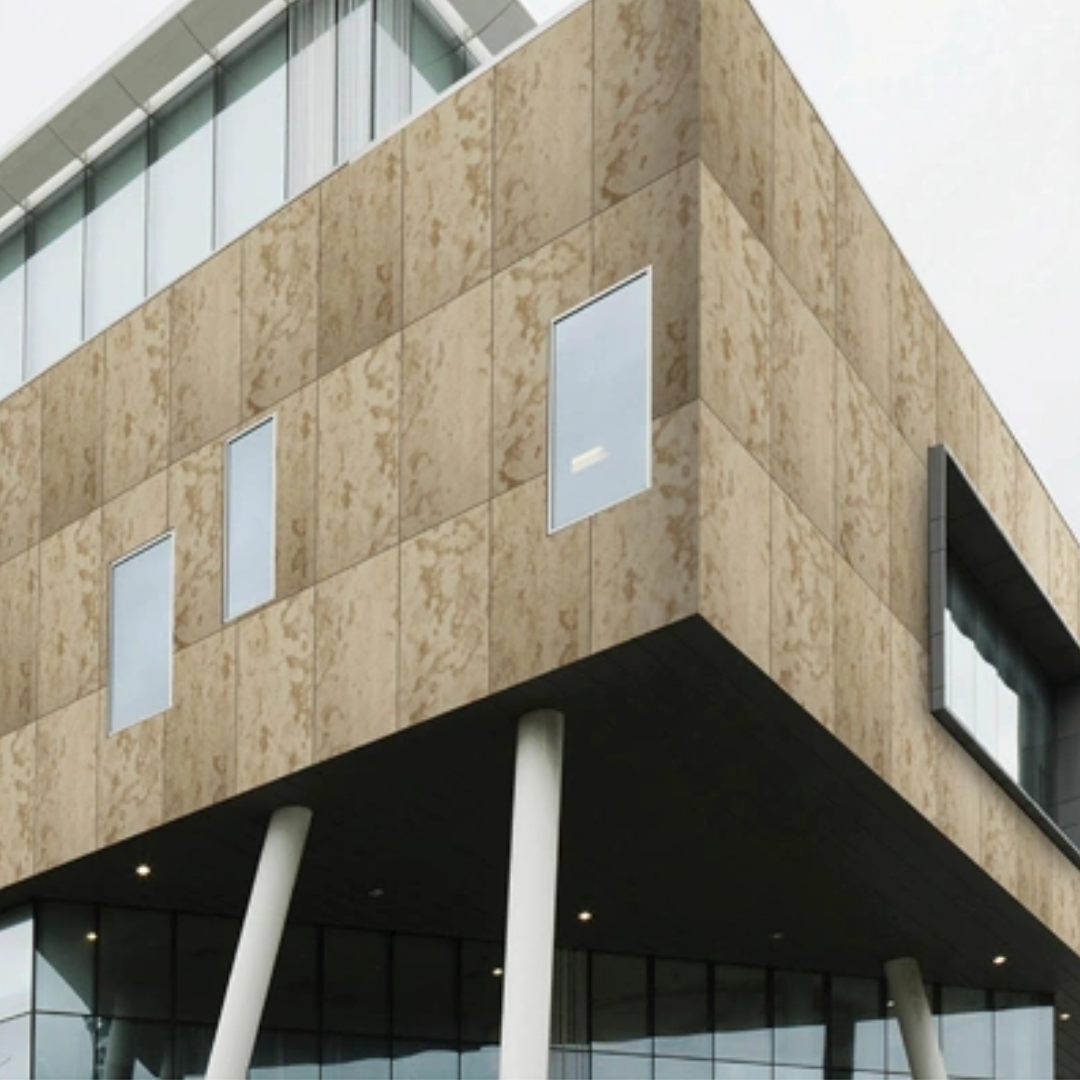
1) Fundamentals of Thermal Movement in Façade Materials All façade materials undergo dimensional change when subjected to temperature variation. This behaviour, central to understanding Thermal Expansion in Exterior HPL, is governed by the Coefficient of Linear Thermal Expansion (CLTE), which defines how much a material expands or contracts per degree…
Blog / February 9, 2026
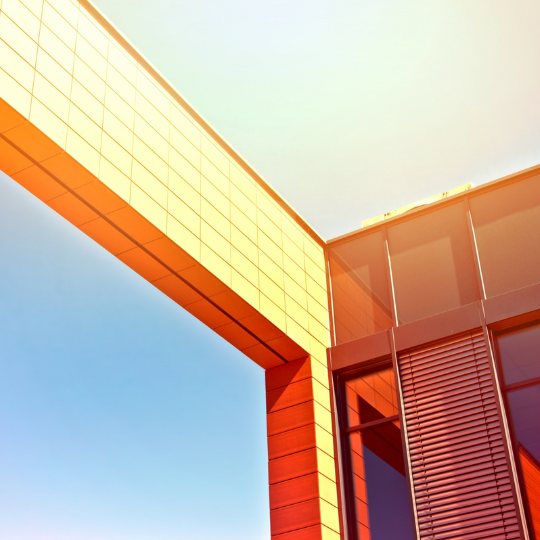
Xenon Testing, Pigment Stability & Long-Term Colour Protection – The Samrat HPL Approach One of the biggest concerns in exterior architecture is simple but critical:Will the façade maintain its original colour after years of sunlight exposure?In regions like the Middle East, Southern Europe, and tropical climates, buildings face continuous UV…