


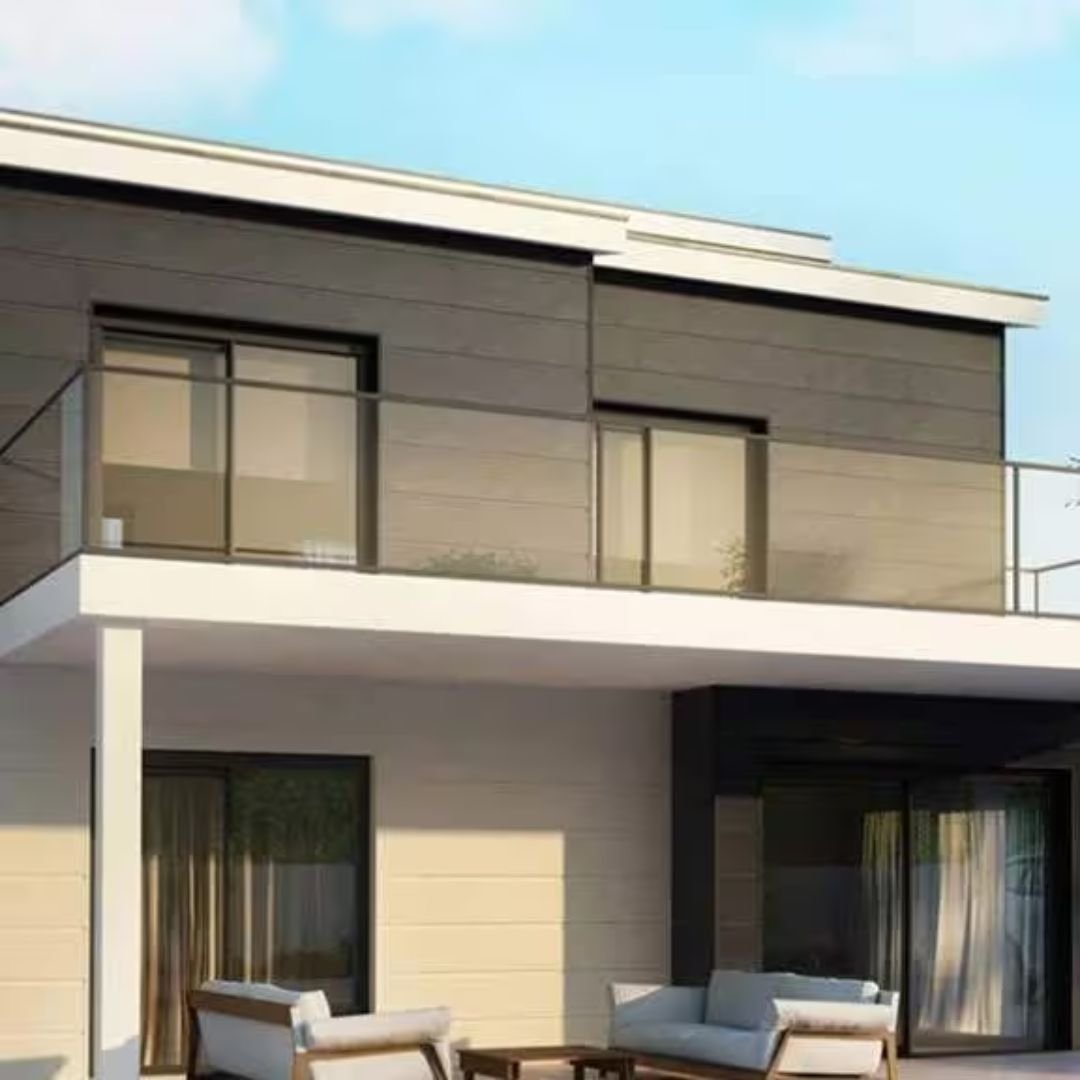
Engineering Outdoor Durability – The Samrat HPL Approach
Exterior facades are exposed to the harshest conditions a building can face—sun, rain, humidity, wind, pollution, and temperature fluctuations. A façade material that cannot withstand these forces will fail, regardless of how good it looks on day one.
This is where Exterior HPL (High Pressure Laminate) Cladding stands apart.
At Samrat HPL, Exterior Compact HPL is engineered specifically for long-term outdoor performance, which is why it is trusted in European and Middle Eastern climates—two of the most demanding regions for façade materials.
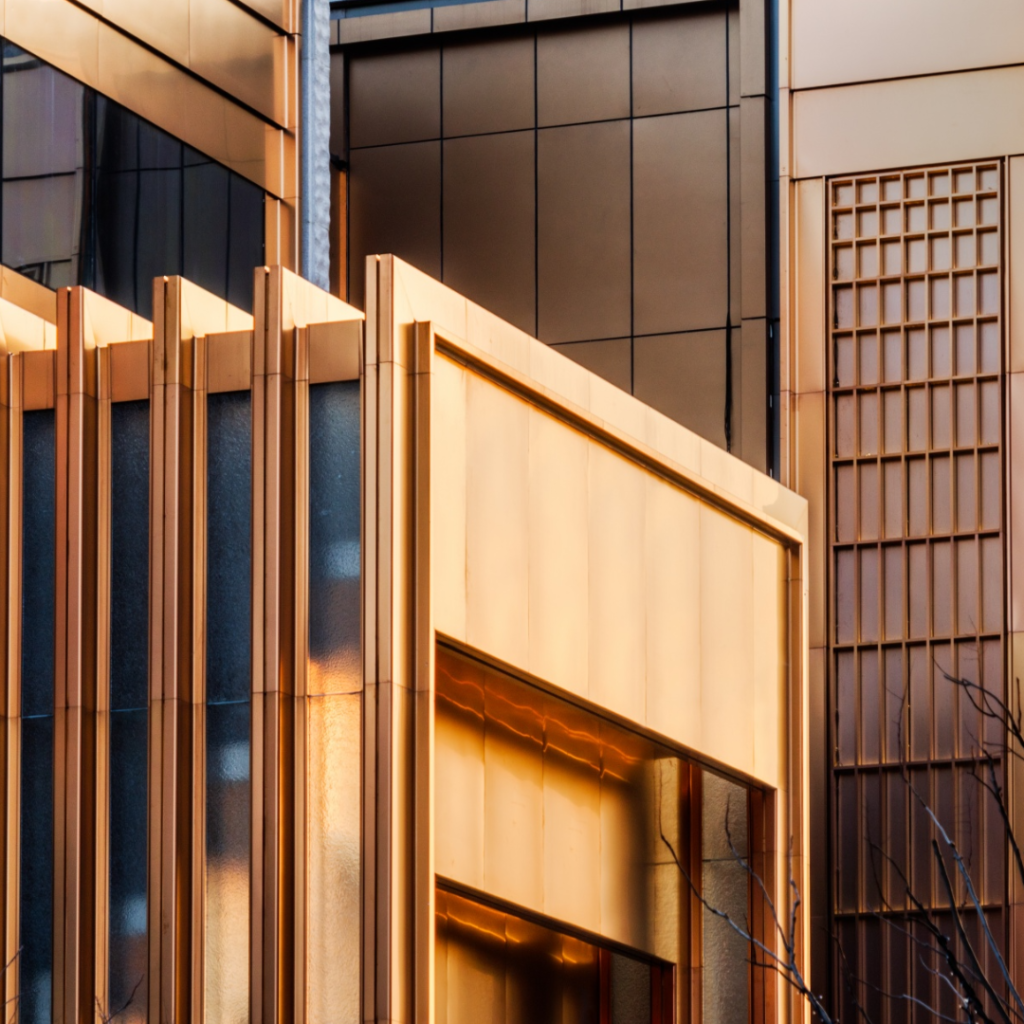
This blog explains what truly makes Exterior HPL weather-resistant and how Samrat HPL achieves this reliability.
What Does “Weather-Resistant” Really Mean?
Weather resistance is not a single property. For exterior cladding, it means resistance to:
- UV radiation and heat
- Rain, humidity, and moisture ingress
- Freeze–thaw cycles
- Wind loads
- Urban pollution and airborne chemicals
Exterior HPL must perform against all these factors simultaneously.
If you’re new to the material, start here:
“What Is Exterior HPL Cladding? A Complete Beginner’s Guide”
1. High-Pressure Compact Structure – The First Line of Defense
Exterior HPL is manufactured by pressing multiple resin-impregnated kraft paper layers under very high pressure and temperature.
This results in:
- A dense, non-porous structure
- Extremely low water absorption
- No pathways for moisture ingress
At Samrat HPL, controlled pressing and conditioning ensure uniform density across the entire panel, which is critical for weather resistance.
Learn more in:
“How Exterior HPL Cladding Is Manufactured: Step-by-Step Process”
2. Very Low Water Absorption
Water is the biggest enemy of exterior materials.
Samrat HPL Exterior Cladding:
- Does not swell when exposed to rain
- Does not soften or weaken in humid conditions
- Does not delaminate over time
This makes Exterior HPL ideal for:
- Coastal areas
- High-rainfall regions
- Humid urban environments
3. UV Resistance Through Advanced Surface Protection
Sun exposure causes fading, chalking, and surface degradation in many façade materials.
Samrat HPL combats this through a two-layer UV protection strategy:
• EU Decorative Papers
We mainly select decorative papers from leading European printers, ensuring:
- High lightfastness pigments
- Proven outdoor color stability
- Consistent shade over time
• 50-Micron Plexiglass (PMMA) UV Film
A 50-micron PMMA (Plexiglass) UV protection film is applied on the decorative surface, which:
- Acts as a UV shield
- Protects the decorative paper and resin layer
- Significantly reduces long-term color fading
- Improves surface durability
This combination is especially critical for high-UV regions like the Middle East.
4. Resistance to Temperature Variations
Exterior materials expand and contract with temperature changes.
Samrat HPL Exterior panels are designed to:
- Handle daily and seasonal temperature fluctuations
- Maintain structural balance across thicknesses
- Perform reliably in both hot and cold climates
When installed correctly with proper expansion gaps, Exterior HPL remains dimensionally stable for decades.
Thickness selection also plays a role—read:
“Thickness Options in Exterior HPL Cladding and Their Applications”
5. Strong Resistance to Wind & Environmental Stress
Weather resistance also includes the ability to withstand:
- Strong winds
- Pressure variations on façades
- Mechanical stress during storms
Exterior HPL offers:
- High flexural strength
- Excellent impact resistance
- Reliable performance in ventilated façade systems
This makes Samrat HPL suitable for mid-rise and high-rise buildings.
6. Protection Against Pollution & Urban Exposure
In urban environments, façades are exposed to:
- Dust and dirt
- Vehicle emissions
- Industrial pollutants
Samrat HPL Exterior surfaces:
- Are non-porous and easy to clean
- Resist dirt penetration
- Maintain appearance with minimal maintenance
This is especially important for commercial and public buildings.
7. Weather Resistance Over the Entire Lifecycle
True weather resistance is measured in years—not months.
Because of:
- High-pressure compact construction
- EU decorative papers
- PMMA UV protection film
- Controlled manufacturing
Samrat HPL Exterior Cladding maintains performance and aesthetics throughout its service life, reducing maintenance and replacement costs.
Why Weather Resistance Makes Exterior HPL a Smart Choice
Compared to many traditional façade materials, Exterior HPL offers:
- Better moisture resistance
- Superior UV stability
- Lower maintenance
- More predictable long-term behavior
➡️ You may also find helpful:
“Exterior HPL vs Fibre Cement: Which Is Better for Facades?”
Why Samrat HPL Is Trusted in Harsh Climates
Architects and façade consultants trust Samrat HPL Exterior Cladding because it is:
- Engineered for outdoor durability
- Tested for real-world conditions
- Supported by consistent manufacturing quality
- Proven in European and Middle Eastern projects
Weather resistance at Samrat HPL is engineered—not assumed.
Conclusion
Exterior HPL is weather-resistant by design—but only when manufactured correctly.
Through:
- High-pressure compact structure
- Advanced UV protection
- Quality raw material selection
- Strict process control
Samrat HPL delivers Exterior HPL Cladding that performs reliably in the toughest outdoor environments.