


Blog / February 10, 2026
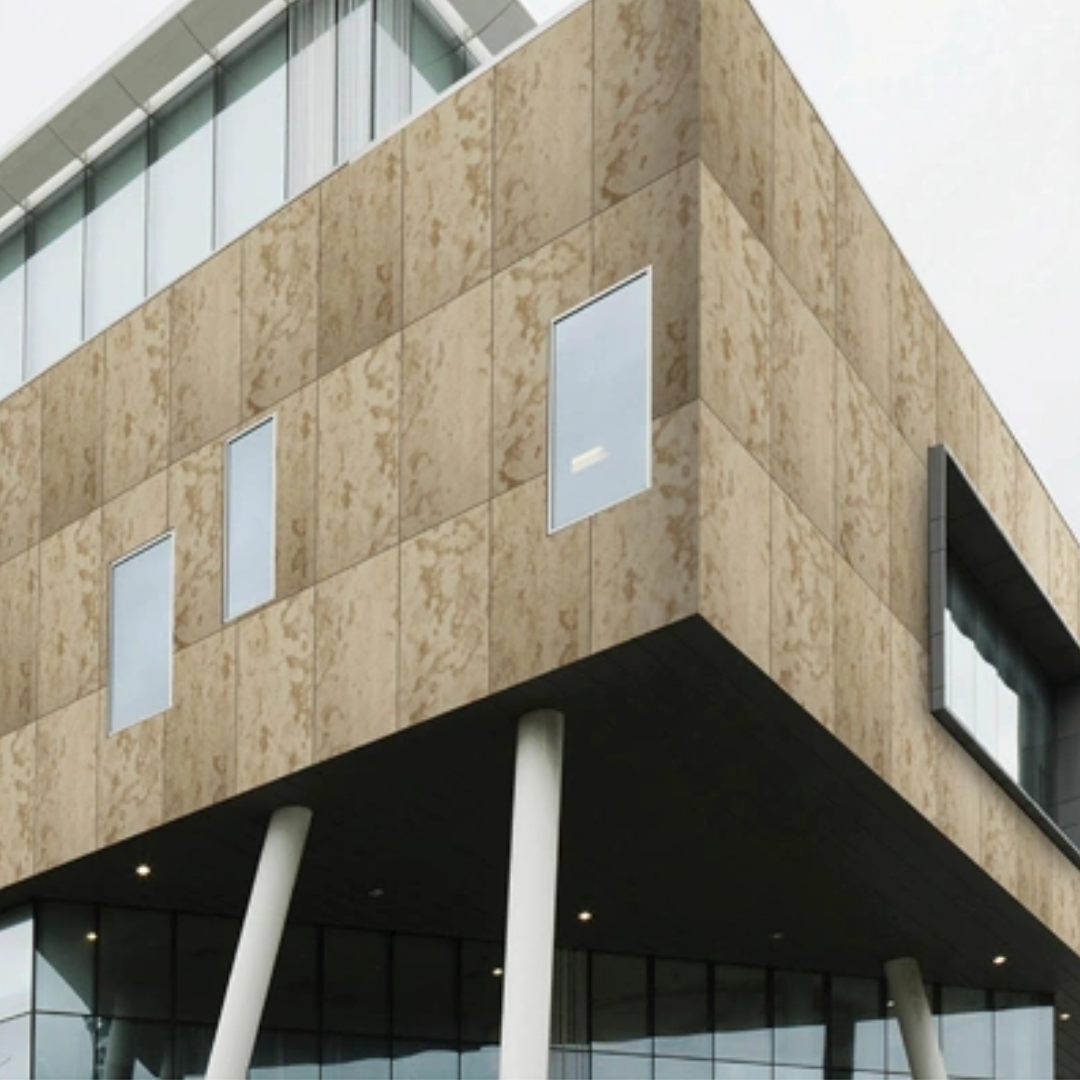
1) Fundamentals of Thermal Movement in Façade Materials All façade materials undergo dimensional change when subjected to temperature variation. This behaviour, central to understanding Thermal Expansion in Exterior HPL, is governed by the Coefficient of Linear Thermal Expansion (CLTE), which defines how much a material expands or contracts per degree…

Blog / February 9, 2026
Xenon Testing, Pigment Stability & Long-Term Colour Protection – The Samrat HPL Approach One of the biggest concerns in exterior architecture is simple but critical:Will the façade maintain its original colour after years of sunlight exposure?In regions like the Middle East, Southern Europe, and tropical climates, buildings face continuous UV…
Blog / January 30, 2026
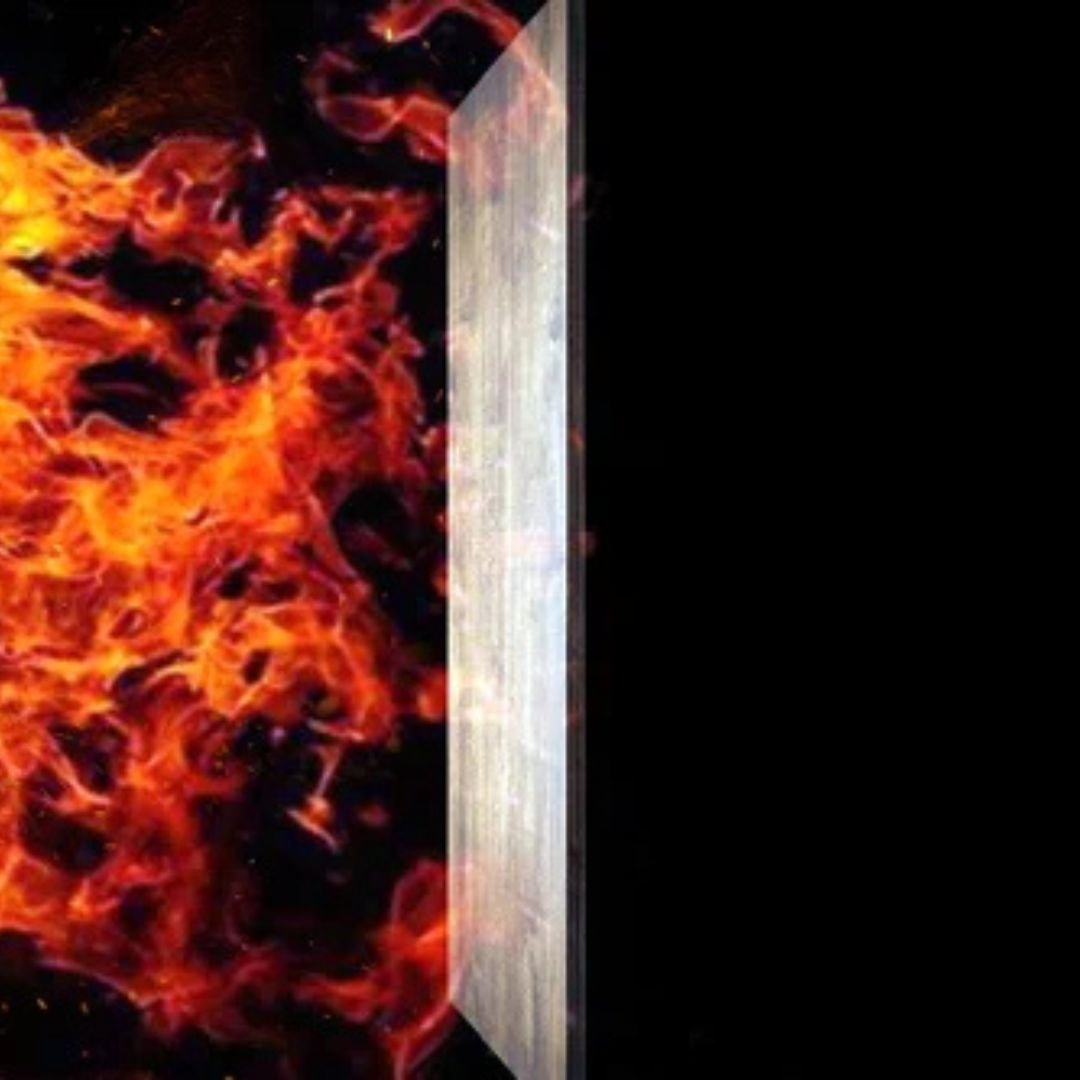
Fire-Retardant Exterior HPL: How It Is Made | Samrat HPL Understanding FIGRA & THR – The Samrat HPL Fire-Safe Facade Approach Fire safety in façades is no longer about claims or assumptions—it is about how a material is engineered and how it behaves when tested. In this Phase 2 blog,…
Blog / January 30, 2026
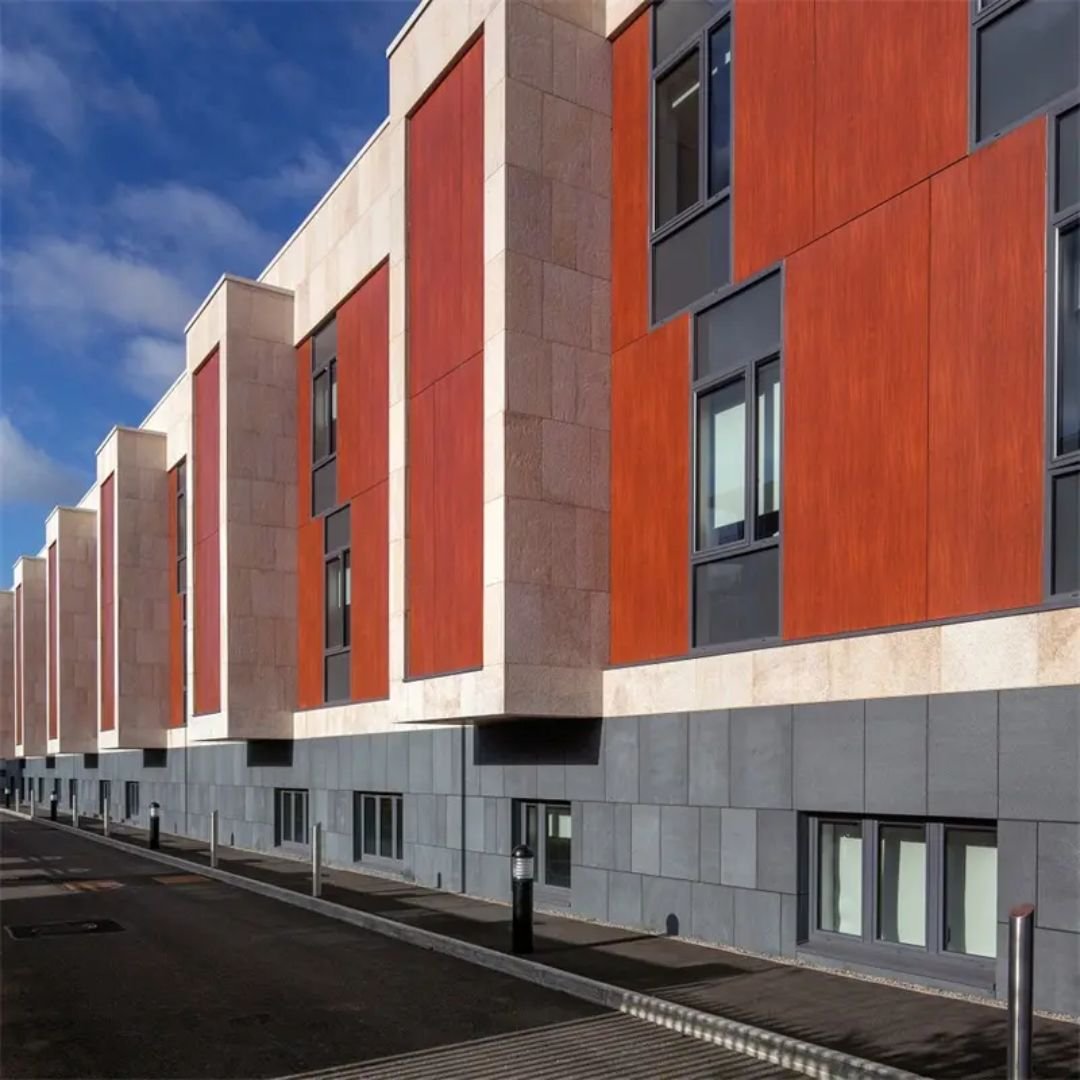
Understanding Fire Ratings in Exterior HPL (EN 13501 Explained) How Fire Performance Is Classified – The Samrat HPL Perspective When it comes to façade fire safety in Europe and many global markets, Fire Ratings in Exterior HPL are governed by one standard referenced more than any other: EN 13501. EN…
Blog / January 30, 2026
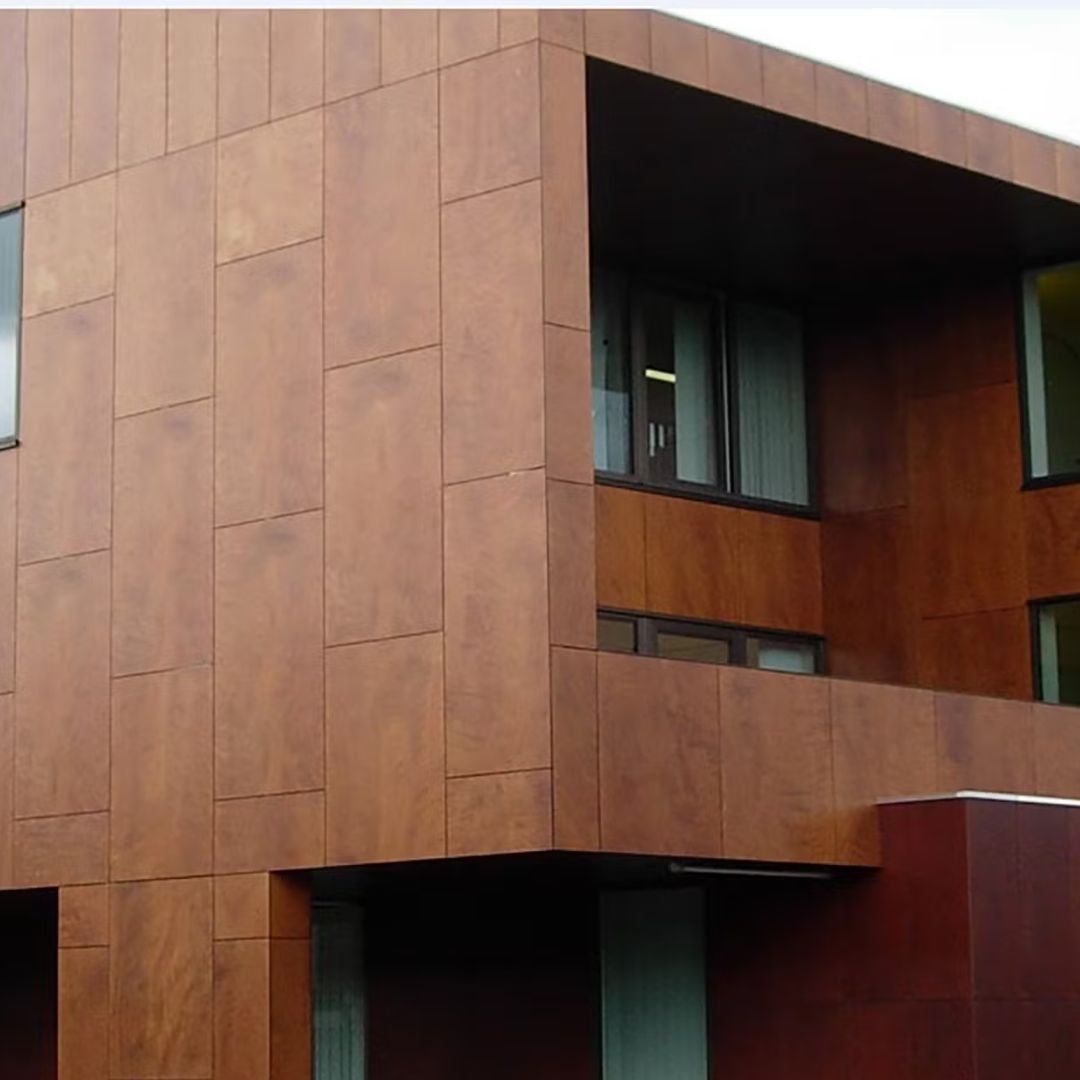
Structural Confidence at Scale – The Samrat HPL Engineering Approach In façade engineering, looks never come before load. Wind pressure, suction, panel spans, fixing distances, and thermal movement all act on façade panels every single day. One property quietly carrying this responsibility is the Flexural Strength of Exterior HPL. At…
Blog / January 30, 2026
Built to Withstand Real-World Abuse – The Samrat HPL Engineering Philosophy Façades are no longer distant, untouched building skins. In urban and public environments, Impact Resistance of Exterior HPL is critical as panels are exposed daily to human interaction, accidental impacts, vandalism, maintenance activity, and environmental stress. This is where…