


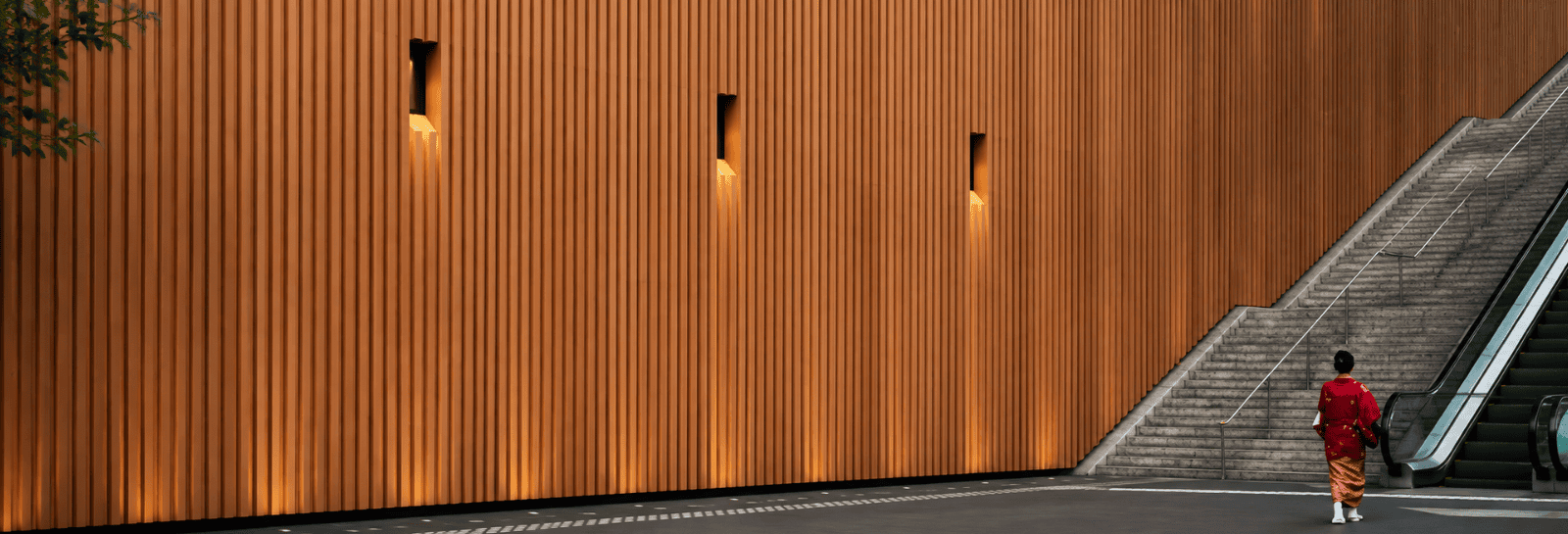
What Is Exterior HPL Cladding? Beginner’s Guide
In contemporary architecture, facade materials are no longer chosen only for appearance. Durability, safety, weather resistance, sustainability, and long-term performance are now equally critical. One material that successfully brings all these qualities together is Exterior HPL Cladding.
At Samrat HPL, we have been manufacturing and supplying Exterior HPL to global markets for years, especially across Europe and the Middle East. This blog is the first step in building a clear and practical knowledge base—starting from the very basics.
What Is Exterior HPL Cladding?
Exterior HPL (High Pressure Laminate) Cladding is a solid, compact facade panel manufactured by pressing multiple layers of kraft paper impregnated with thermosetting resins under very high pressure and temperature.
Unlike interior laminates, Exterior HPL is specifically engineered for outdoor use, where it must withstand:
- Harsh sunlight (UV exposure)
- Rain, humidity, and moisture
- Temperature variations
- Wind loads
- Pollution and environmental stress
The result is a dense, non-porous, extremely durable panel that performs reliably for decades on building exteriors.
How Exterior HPL Is Manufactured (Simple Explanation)
Exterior HPL is produced through a controlled industrial process:
- Multiple layers of kraft paper are impregnated with phenolic resins
- Decorative surface papers are treated with melamine resins
- All layers are stacked and pressed at high pressure (≈ 9 MPa) and high temperature (≈ 150°C)
- Resins polymerize and permanently bond the layers into a single solid panel
This high-pressure process is what gives Exterior HPL its mechanical strength, stability, and weather resistance.
At Samrat HPL, this process is tightly monitored to ensure uniform density, consistent thickness, and long-term performance.
Why Exterior HPL Is Used for Facades
Exterior HPL has become a preferred facade solution worldwide due to its balanced performance:
1. Exceptional Weather Resistance
Exterior HPL panels are built to resist rain, humidity, frost, and heat without swelling, cracking, or delaminating.
2. UV Stability & Color Fastness
High-quality Exterior HPL retains its color even after prolonged sun exposure—an essential requirement for Middle East and Southern European climates.
3. High Mechanical Strength
Thanks to its compact structure, Exterior HPL offers:
- High flexural strength
- Excellent impact resistance
- Strong wind-load performance
This makes it suitable for both low-rise and high-rise buildings.
4. Fire-Safe Facade Solution
Exterior HPL is available with tested fire performance classifications, making it suitable for modern fire-conscious facade designs. (Fire performance will be covered in detail in upcoming blogs.)
5. Low Maintenance
Exterior HPL facades require minimal cleaning, resist dirt buildup, and do not need repainting—reducing long-term maintenance costs.
Exterior HPL vs Traditional Facade Materials
Compared to traditional facade materials like fibre cement, ACP, wood, or stone:
- Exterior HPL offers better design flexibility
- It is lighter than stone
- More durable and safer than standard ACP
- More stable and consistent than natural wood
- Faster to install with ventilated facade systems
This combination explains why Exterior HPL is increasingly specified by architects, consultants, and developers.
Where Is Exterior HPL Commonly Used?
Exterior HPL cladding is widely used in:
- Residential buildings & villas
- Commercial offices
- Hotels & hospitality projects
- Educational institutions
- Hospitals & healthcare facilities
- Public buildings and infrastructure projects
Its versatility allows it to adapt to modern, minimalist, industrial, and architectural facade designs.
Why Understanding Exterior HPL Matters
For architects, developers, and decision-makers, understanding Exterior HPL at a fundamental level helps in:
- Making informed material selections
- Designing safer and longer-lasting facades
- Reducing lifecycle costs
- Ensuring compliance with international standards
At Samrat HPL, we strongly believe that educated choices lead to better buildings—and this blog series is designed to support exactly that.
What’s Next?
In the next blog, we will cover:
“How Exterior HPL Cladding Is Manufactured: Step-by-Step Process”
—diving deeper into why manufacturing quality directly impacts facade performance.
Conclusion
Exterior HPL cladding combines durability, safety, design flexibility, and long-term performance—making it a reliable choice for modern facades worldwide. By understanding how Exterior HPL works and why it performs so well, architects and decision-makers can specify smarter, longer-lasting solutions. This foundational knowledge sets the stage for deeper insights into manufacturing quality and facade performance in the next part of this series.