


Blog / May 18, 2026
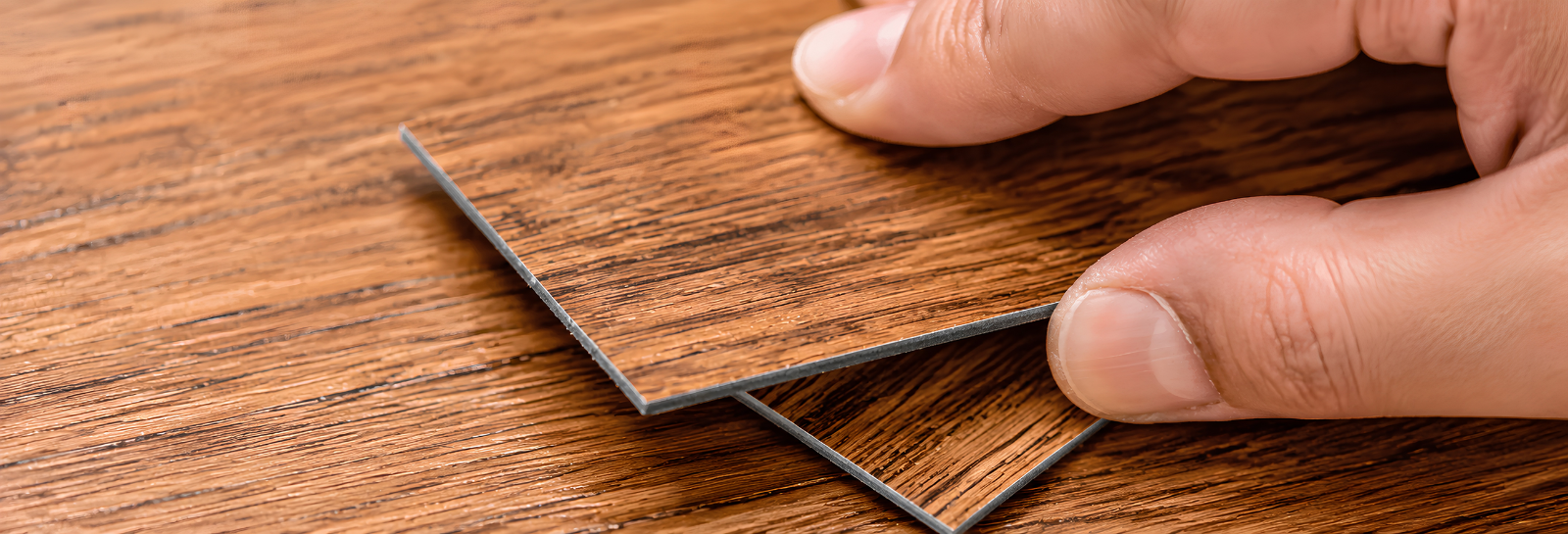
Why High Pressure & High Temperature Are Critical for Exterior HPL Durability The Science Behind High Pressure Laminate Manufacturing, Resin Curing, Panel Strength & Long-Term Facade Performance When architects and façade consultants evaluate Exterior HPL, they usually focus on: colour texture fire ratings weather resistance aesthetics But one of the…
Blog / April 17, 2026
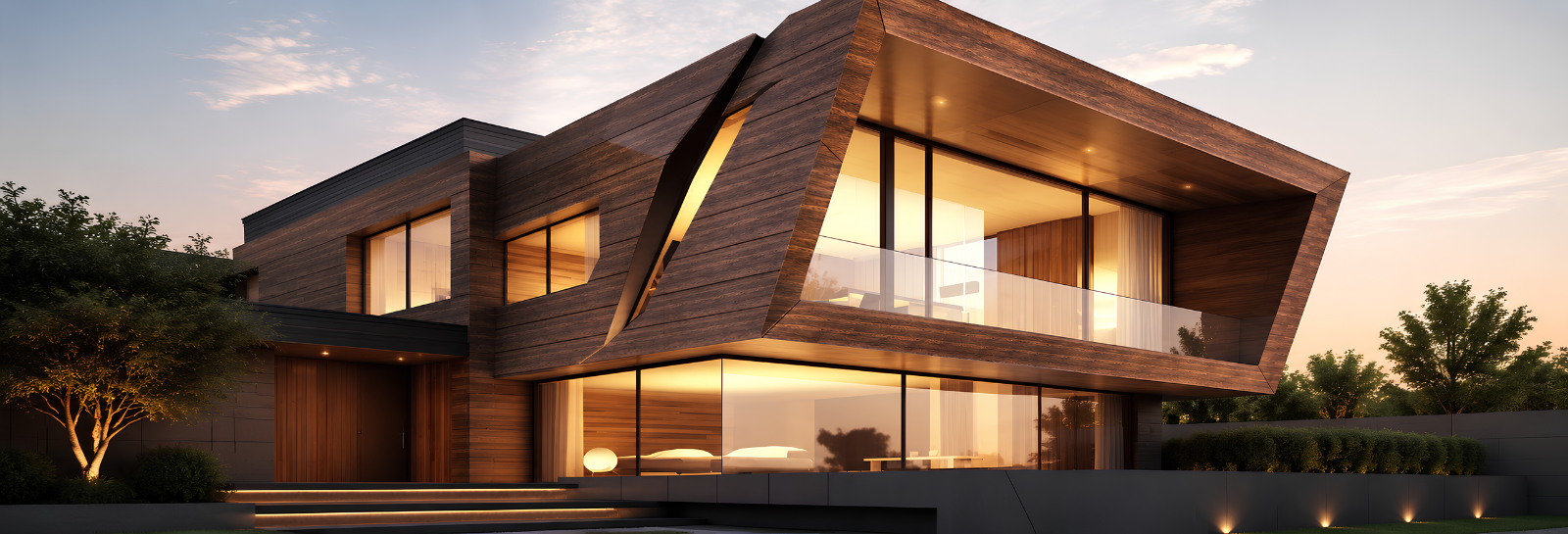
Deep Technical Guide on REACH Regulation (EU) 2023/1464, E1 vs E05, Resin Chemistry & Low VOC Exterior HPL – Samrat Exterior Compact HPL In modern European construction, façade materials are no longer judged only on strength and durability. Increasingly, VOC emission standards Europe, formaldehyde emission limits, and indoor air quality…
Blog / April 6, 2026
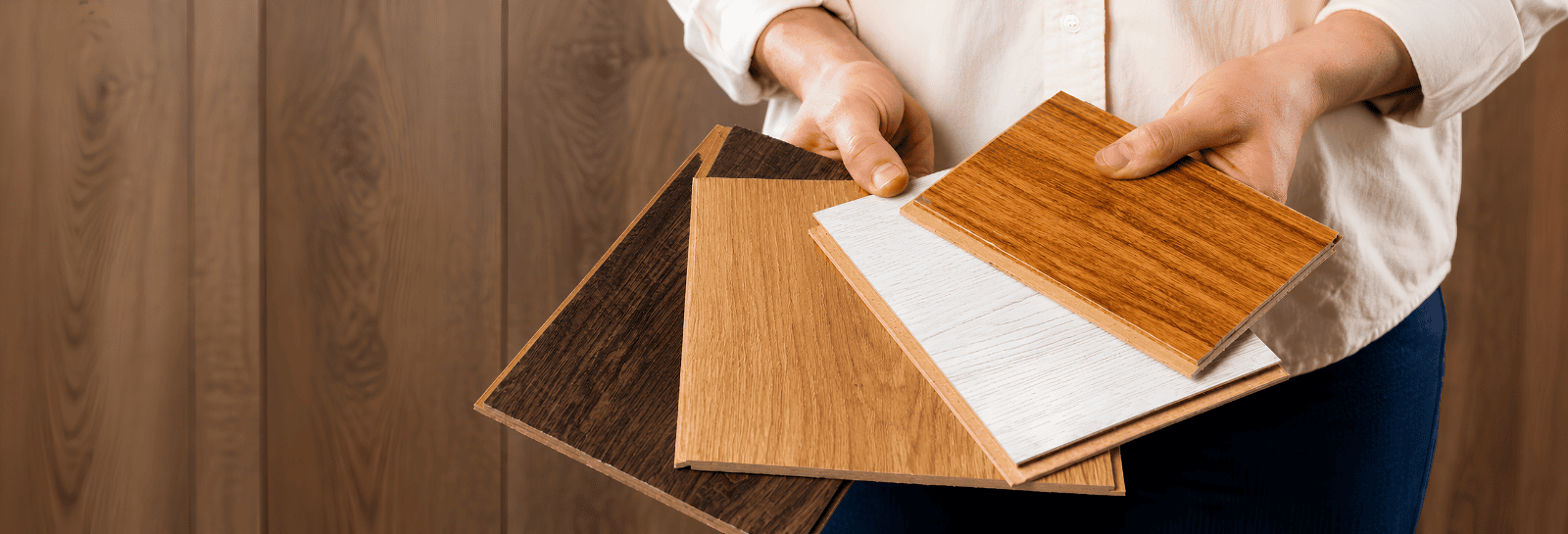
Understanding EN 438 Compact HPL, Test Values, Specifications & Real Facade Performance – Samrat Exterior Compact HPL When specifying exterior HPL panels EN 438 compliant, one of the most critical European standards is: EN 438 – The European Standard for High Pressure Laminate (HPL) This standard defines how…
Blog / April 6, 2026
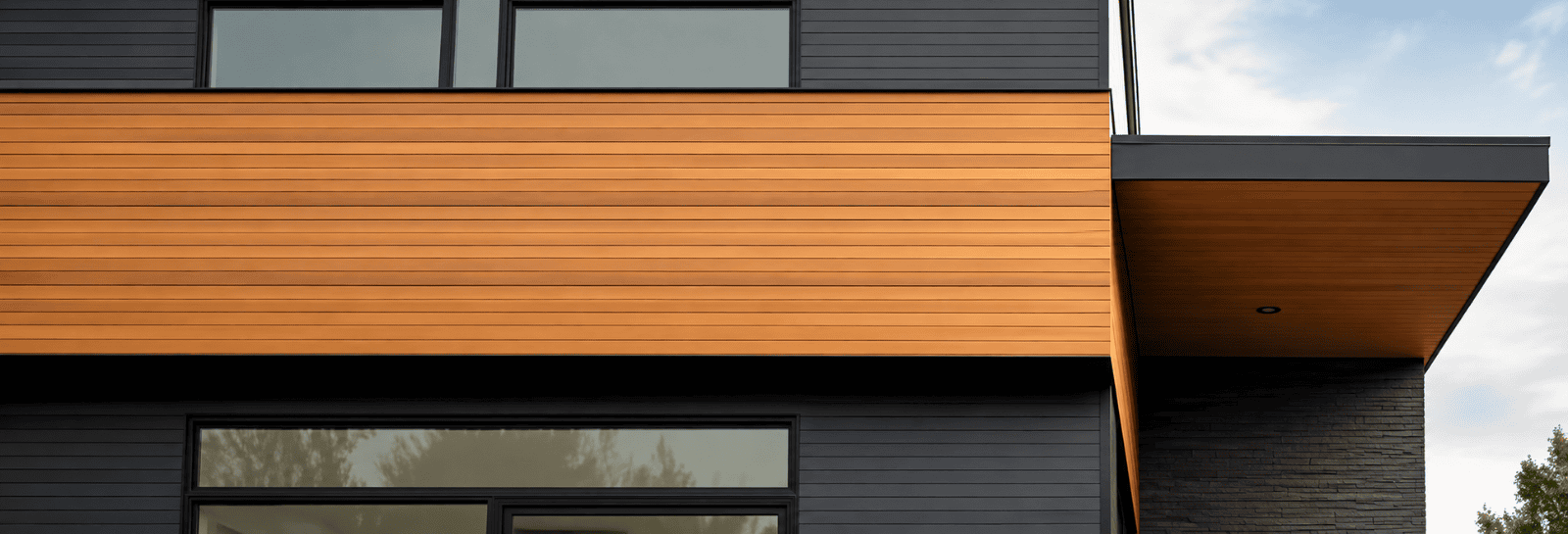
Modern Gevelbekleding, Real FR Performance & High-Performance Cladding Solutions – Samrat HPL Netherlands Guide The Netherlands is one of Europe’s most advanced façade markets, where design, sustainability, and fire safety (brandveiligheid) are equally critical. Architects and developers actively search for: HPL-gevelbekleding Nederland Gevelpanelen HPL Duurzame gevelbekleding Brandveilige gevelmaterialen (fire-safe…
Blog / March 28, 2026
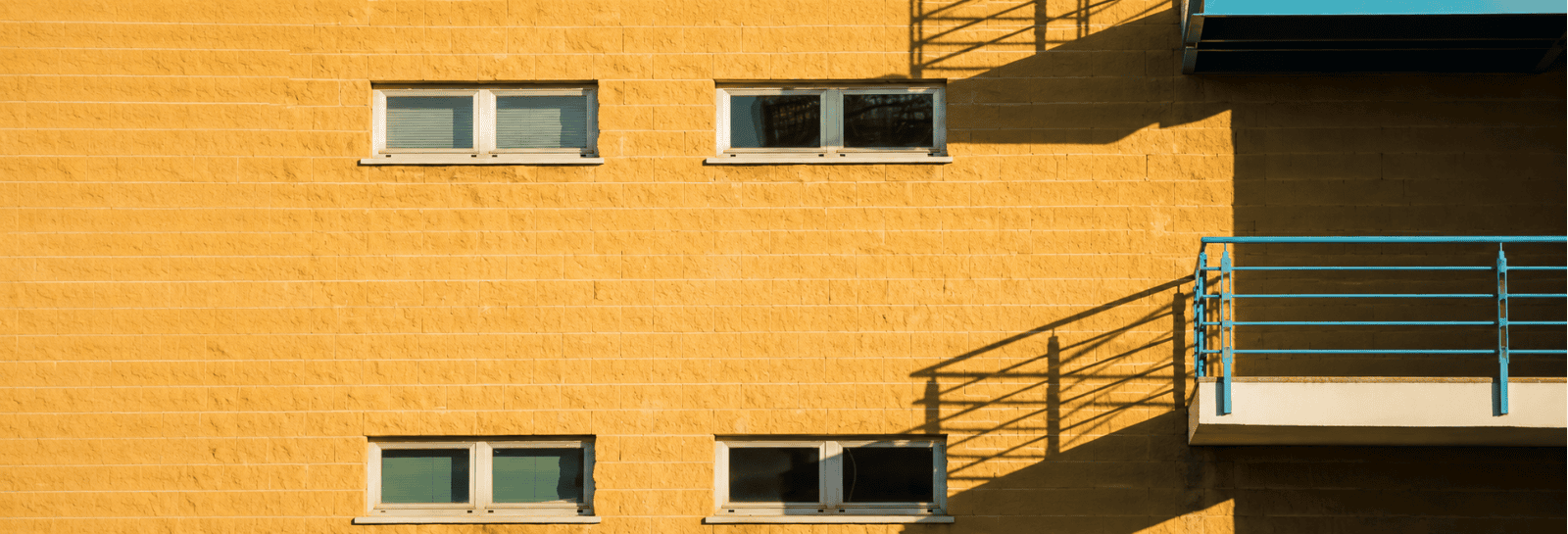
Moderne gevelsystemen, brandveiligheid en duurzame oplossingen – Samrat HPL Nederland Nederland behoort tot de meest geavanceerde markten in Europa op het gebied van gevelarchitectuur, waar design, duurzaamheid en brandveiligheid centraal staan.Architecten en ontwikkelaars zoeken actief naar: HPL-gevelbekleding Nederland Gevelpanelen HPL Duurzame gevelbekleding Brandveilige gevelmaterialen In deze prestatiegerichte markt is Exterior…
Blog / March 26, 2026
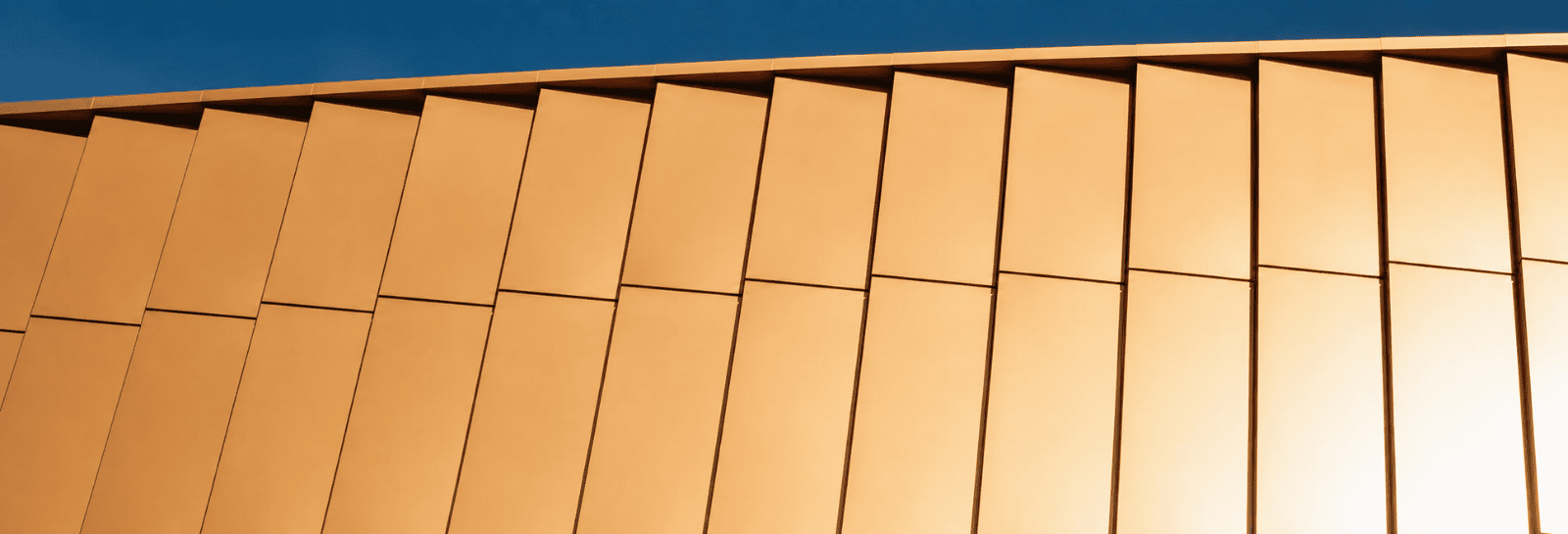
Do Exterior HPL Panels Fade? Understanding Delta E, Grey Scale and Colour Stability in Exterior HPL Facades When selecting façade materials, one of the most common and practical questions is: Do Exterior HPL panels fade over time? This question is directly linked to UV resistance, colour stability, and long-term…