


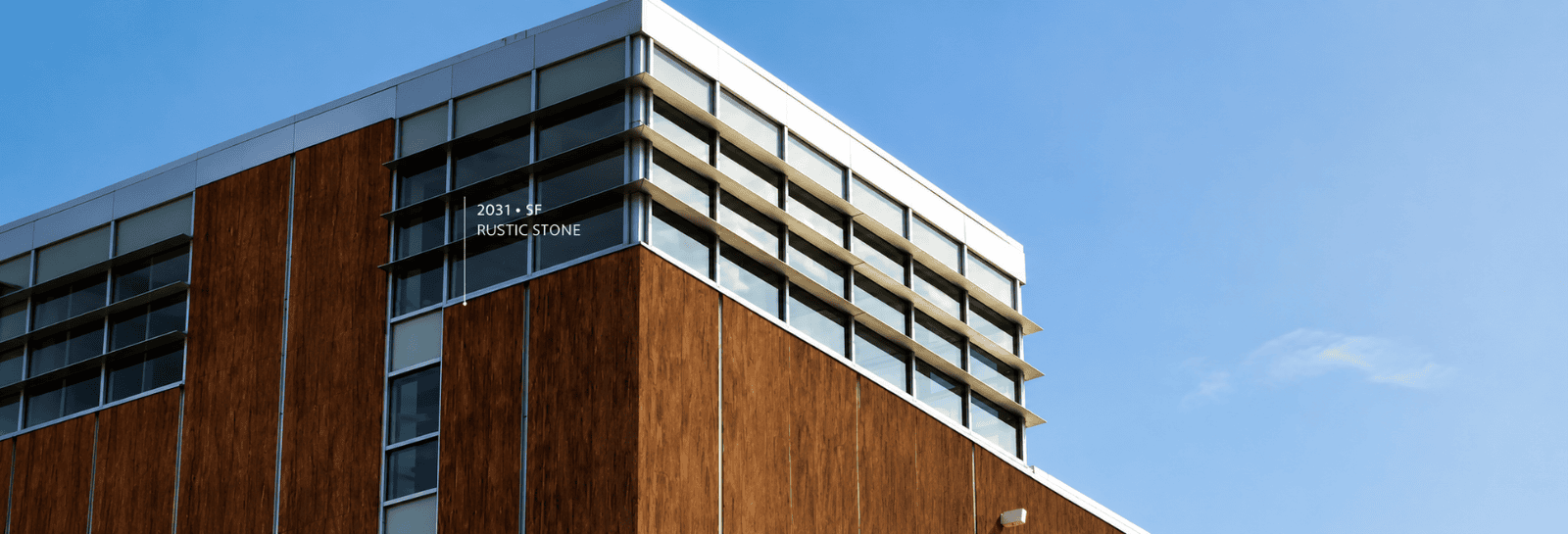
Cladding Installation Mistakes to Avoid | Expert Tips
Cladding transforms a building’s aesthetic appeal while providing crucial protection against environmental elements. However, what many property owners discover too late is that improper installation can lead to costly repairs, structural damage, and even complete replacement. The difference between professional-grade installation and amateur work often becomes apparent only after significant problems emerge. This comprehensive guide explores the most common cladding installation mistakes and provides expert solutions to help you avoid expensive remediation.
Inadequate Surface Preparation
The Costly Oversight
One of the most prevalent mistakes in cladding installation begins before the first panel is even mounted. Poor surface preparation creates a domino effect of problems that can compromise the entire cladding system.
Many installers rush through preparation, failing to thoroughly clean surfaces of debris, dust, and uneven textures. For new block surfaces, preparation requirements differ significantly from existing plastered or dashed surfaces. Uneven substrates left unaddressed create pressure points that can cause panels to warp, buckle, or detach over time.
Professional Solution
Professional installers follow a methodical approach to surface preparation:
- For existing surfaces: Clean back to the original surface using appropriate techniques such as water blasting, acid etching, or wire brushing.
- For uneven or rough surfaces: Apply a scratch coat to achieve proper leveling before installation.
- For new block surfaces: While minimal preparation is required, ensure the surface is clean and free from projections.
- For areas prone to moisture (like chimney stacks): Apply a scratch coat with a water sealer to minimize water penetration.
A properly prepared surface forms the foundation for a successful cladding installation, preventing costly future repairs and enhancing the longevity of your investment.
Improper Fastener Selection and Placement
The Costly Oversight
The humble fastener—whether screw, nail, or rivet—plays a pivotal role in cladding installation. Yet, it’s routinely underestimated. Incorrect fastener selection and improper placement can lead to a cascade of problems ranging from unsightly staining to complete system failure.
Common fastener mistakes include:
- Using non-corrosion-resistant fixings that create rust stains on cladding
- Over-tightening screws, which damages panels and creates stress points
- Installing screws at incorrect angles, compromising weatherproofing
- Using inadequate length nails that lack proper holding power
- Inconsistent or improper spacing of fasteners along support structures
Professional Solution
Master installers understand the science of proper fastening:
- Always select stainless steel fasteners for exterior applications to prevent rust and staining
- Install screws perpendicular to panels for optimal seal integrity
- Use fasteners of adequate length—generally 2.5 times the thickness of the cladding
- Follow manufacturer specifications for fastener spacing and placement
- Employ specialized tools to ensure consistent fastener pressure, avoiding over-tightening
- For HPL panels, use appropriate mounting systems specified by manufacturers
Proper fastening not only extends cladding lifespan but preserves aesthetic appeal by preventing unsightly fastener-related blemishes and structural inconsistencies.
Neglecting Expansion and Contraction Allowances
The Costly Oversight
Materials expand and contract with temperature fluctuations and humidity changes—a fundamental property often disregarded during installation. Without appropriate expansion gaps, cladding experiences stress that manifests as warping, buckling, or even detachment from the substrate.
This oversight is particularly troublesome with wood-based products like HPL panels, which contain up to 65% wood fiber and exhibit significant dimensional movement. Laminate flooring installed without expansion gaps against walls typically buckles, while exterior cladding without proper spacing often develops distortion and structural failure.
Professional Solution
Expert installers incorporate appropriate expansion considerations:
- For profiled cladding, establish minimum 2mm expansion gaps through joints
- Use spacers to ensure consistent expansion allowances throughout the installation
- Pay special attention to species prone to movement, like Larch and Oak in timber cladding
- With HPL panels, follow manufacturer guidelines for expansion joint sizing based on panel dimensions
- Never fill movement joints with sealant or adhesive, as this negates their purpose
- Install appropriate trim pieces designed to accommodate expansion while maintaining aesthetic appeal
Proper expansion planning might seem like a minor detail, but it represents the difference between cladding that lasts decades and systems requiring premature replacement.
Inadequate Ventilation and Moisture Management
The Costly Oversight
Perhaps the most insidious installation mistake involves improper moisture management and ventilation. Without adequate airflow behind cladding, condensation accumulates, creating ideal conditions for mold growth, rot, and structural degradation.
This problem manifests in several ways:
- Directly mounting cladding to solid surfaces without ventilation space
- Filling batten cavities with insulation that blocks airflow
- Sealing cavity tops and bottoms, preventing natural ventilation
- Failing to incorporate proper flashing and moisture barriers
- Neglecting drainage channels for water evacuation
The consequences often remain hidden until significant damage has occurred, requiring extensive remediation.
Professional Solution
Moisture management mastery involves several critical elements:
- Create a rainscreen system with a minimum 25mm air gap behind cladding
- Install vertical or horizontal battens (depending on cladding orientation) to promote airflow
- Incorporate ventilation openings at top and bottom of cladding installations
- Use appropriate moisture barriers that allow vapor transmission while blocking liquid water
- Design proper flashing around penetrations, windows, and transitions
- For HPL cladding, ensure substructure designs facilitate proper drainage and airflow
Effective moisture management might increase initial installation costs slightly but prevents catastrophic moisture-related failure that could necessitate complete system replacement.
Incorrect Substructure Design and Installation
The Costly Oversight
The substructure—the framework supporting cladding panels—forms the backbone of any installation. Yet, inadequate substructure design and installation represents one of the most consequential yet overlooked aspects of cladding work.
Common substructure mistakes include:
- Using battens that are too thin (less than 35mm thickness)
- Selecting improper substructure materials for specific environments
- Inadequate structural support at panel joints
- Improper spacing of battens, creating unsupported areas
- Failing to level the substructure, resulting in uneven cladding appearance
Professional Solution
Substructure excellence requires strategic planning:
- Select appropriate substructure materials based on environment (aluminum for coastal areas, treated timber for standard applications)
- Use battens between 35mm and 50mm in thickness to provide adequate support
- Ensure proper spacing of battens according to cladding panel dimensions and manufacturer specifications
- Level substructure components meticulously before cladding installation
- With HPL panels, consider aluminum substructures for superior longevity and dimensional stability
- Verify that all substructure components meet local building code requirements
A properly designed and installed substructure creates the foundation for cladding longevity, enabling the entire system to perform optimally throughout its lifespan.
Disregarding Material Acclimatization
The Costly Oversight
Wood-based cladding materials—including HPL panels with wood fiber content—require acclimatization to local environmental conditions before installation. Skipping this crucial step creates latent stress in panels that leads to warping, joint separation, and premature aging.
Acclimatization mistakes include:
- Installing panels immediately upon delivery to the site
- Storing panels in environments with drastically different humidity levels than installation locations
- Failing to follow manufacturer guidelines for acclimatization periods
- Improper panel storage during acclimatization (stacked incorrectly or exposed to elements)
Professional Solution
Proper acclimatization protocols include:
- Allow panels to adjust to ambient humidity and temperature for 48–72 hours minimum before installation
- Store panels horizontally with proper spacing for airflow during acclimatization
- Use weighted tops on stacked panels to prevent bowing during the adjustment period
- Maintain consistent temperature and humidity during acclimatization, installation, and initial post-installation periods
- Follow specific manufacturer guidelines for specialized materials
This seemingly simple step prevents numerous long-term problems and represents the hallmark of professional installation practices.
Ignoring Regulatory Requirements and Manufacturer Specifications
The Costly Oversight
Building codes, local regulations, and manufacturer specifications exist for good reason—they ensure safety, performance, and longevity. Yet many installations proceed without proper adherence to these critical guidelines.
Regulatory oversight failures include:
- Installing non-compliant cladding systems that violate local building codes
- Disregarding fire-rating requirements for specific building types
- Neglecting structural load considerations in high-wind areas
- Failing to obtain necessary permits and inspections
- Ignoring manufacturer installation guidelines that would void warranties
These oversights can result not only in expensive remediation but potential legal liability and insurance complications.
Professional Solution
Regulatory compliance requires diligent research and implementation:
- Thoroughly investigate local building codes and permit requirements before beginning installation
- Consult with manufacturers regarding specific installation requirements for warranty validation
- Ensure all installers are trained on current code requirements and best practices
- Document compliance throughout the installation process
- Consider engaging certified installers for complex systems or when warranties depend on professional installation
Professional installers recognize that regulatory compliance isn’t merely bureaucratic red tape—it’s an essential component of installation excellence that protects both property and investment.
Improper Material Selection for Environmental Conditions
The Costly Oversight
Not all cladding materials perform equally in different environments. Selecting inappropriate materials for specific climatic conditions sets the stage for premature degradation and failure.
Common material selection errors include:
- Using moisture-sensitive materials in high-humidity environments
- Installing non-UV-stabilized products in high-sun exposure areas
- Selecting materials without proper salt resistance for coastal applications
- Failing to consider extreme temperature fluctuations in material selection
- Choosing materials based solely on aesthetic considerations without regard for performance characteristics
Professional Solution
Thoughtful material selection involves environmental analysis:
- Match cladding materials to local climate conditions (coastal, dry interior, high rainfall, etc.)
- For coastal environments, prioritize corrosion-resistant options like fiber cement or specially treated HPL
- In high-sun exposure areas, ensure materials have adequate UV protection on exposed surfaces
- Consider the microclimate of specific building faces (north-facing vs. south-facing exposures)
- With HPL panels, verify UV coating specifications and ensure installation with the properly coated side facing outward
Expert installers recognize that even perfect installation techniques cannot overcome fundamentally inappropriate material selection for specific environments.
Conclusion
Cladding installation represents a significant investment in both the protection and aesthetic enhancement of your property. When executed with precision and professionalism, quality cladding systems deliver decades of trouble-free service, elevating both appearance and functionality.
The mistakes outlined in this guide highlight the importance of proper technique, material selection, and attention to detail throughout the installation process. By understanding these common pitfalls and implementing expert solutions, property owners can avoid the costly consequences of installation errors.
Whether you’re planning a DIY installation or hiring professionals, knowledge of proper installation principles empowers you to make informed decisions that protect your investment for years to come. Remember that the initial investment in doing things correctly almost always costs less than remediation of preventable problems.
The difference between amateur and professional cladding installation isn’t just about aesthetics—it’s about creating a durable, high-performance system that stands the test of time while protecting your property from the elements.