


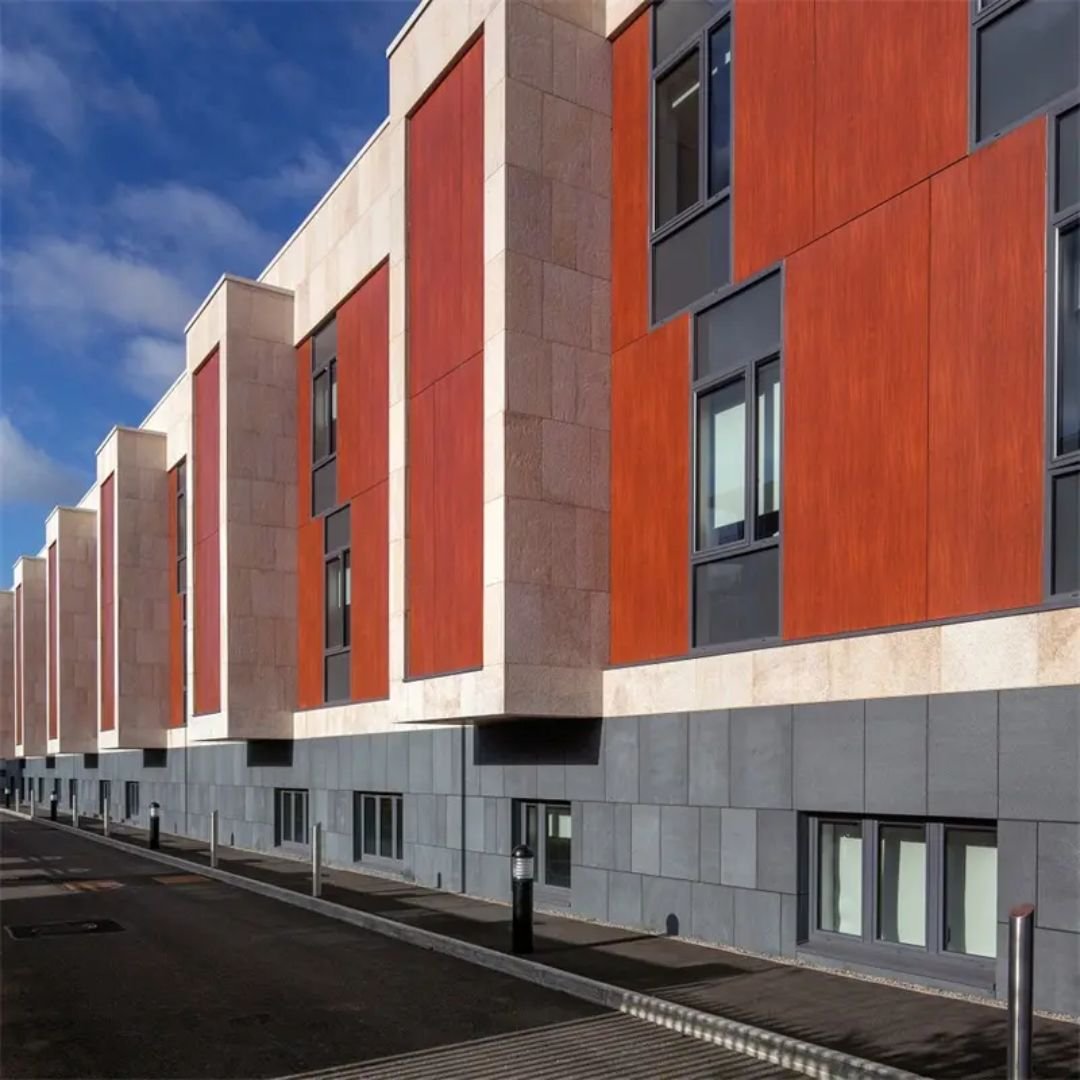
How Fire Performance Is Classified – The Samrat HPL Perspective
When it comes to façade fire safety in Europe and many global markets, Fire Ratings in Exterior HPL are governed by one standard referenced more than any other: EN 13501.
EN 13501 – Fire classification of construction products and building elements.
For architects, façade consultants, and regulators, EN 13501 is not just a document it is the common language of fire performance.
At Samrat HPL, Exterior and Fire-Retardant HPL Cladding is developed and evaluated with a clear understanding of EN 13501 classifications, ensuring predictable, test-backed fire behaviour in real façade systems.
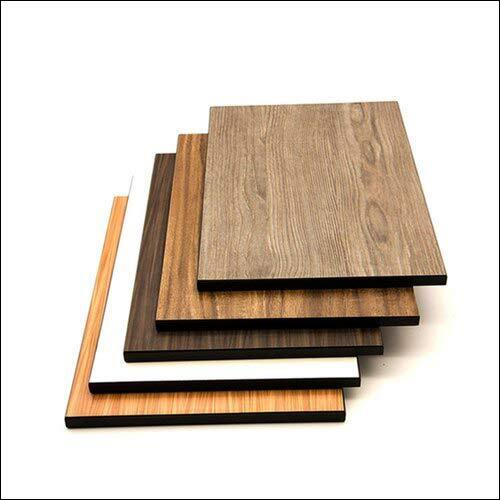
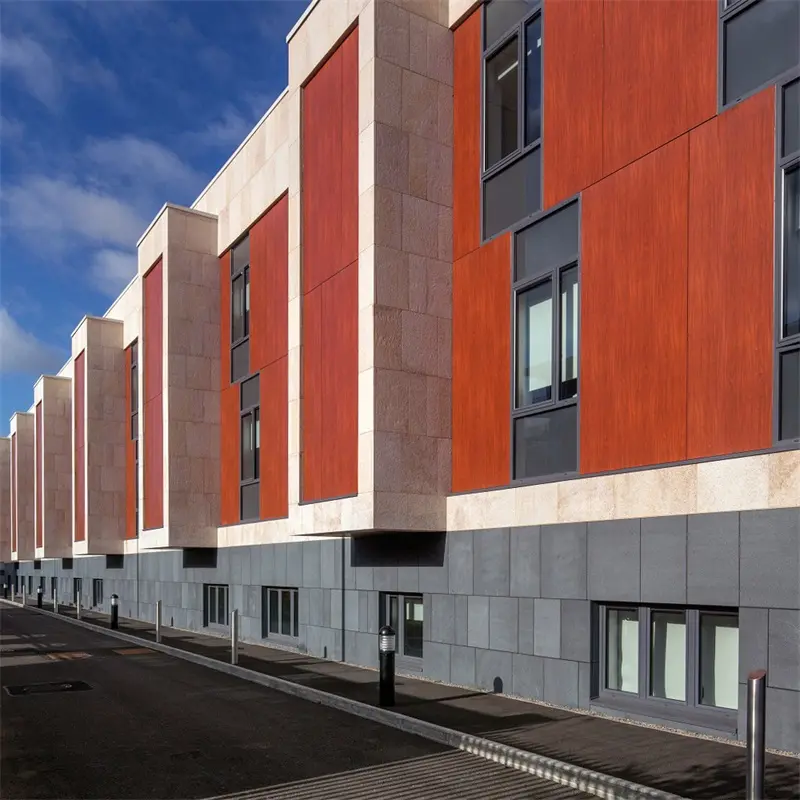
With a landmark achievement of over 9 million square metres of Exterior HPL installed globally till 2025, Samrat HPL façades—backed by verified Fire Ratings in Exterior HPL are not only certified but proven across residential, commercial, and public buildings worldwide.
What Is EN 13501?
EN 13501 is the European standard that classifies the reaction to fire performance of construction materials.
It answers key questions such as:
- How quickly does fire grow?
- How much heat is released?
- How much smoke is produced?
Does the material produce flaming droplets?
For façade materials like Exterior HPL, EN 13501 provides a clear, comparable, and objective fire classification system.
If you want to understand how fire-retardant HPL is engineered, read:
“Fire-Retardant Exterior HPL: How It Is Made”
EN 13501 Classification System – Explained Simply
An EN 13501 fire rating typically looks like this:
B-s1,d0 (example)
Each part of this classification has a specific meaning.
Reaction to Fire Class (A1 to F)
This is the primary fire classification, ranging from A1 (best) to F (worst).
| Class | Meaning |
| A1 / A2 | Non-combustible or very limited contribution to fire |
| B | Very limited contribution to fire |
| C | Limited contribution to fire |
| D | Acceptable contribution to fire |
| E | High contribution to fire |
| F | No performance determined |
High-quality Fire-Retardant Exterior HPL is typically classified in B or C classes, depending on formulation, thickness, and system configuration.
It is important to note:
Façade fire safety is about controlled fire behaviour, not just non-combustibility.
“s” Classification – Smoke Production
The “s” rating refers to smoke development, which is critical for life safety.
| Smoke Class | Meaning |
| s1 | Low smoke production |
| s2 | Moderate smoke production |
| s3 | High smoke production |
In façade applications, low smoke (s1) is strongly preferred, especially for:
Commercial buildings
Hospitals
Educational institutions
Public buildings
Smoke reduction improves visibility, evacuation time, and firefighter safety.
“d” Classification – Flaming Droplets
The “d” rating measures whether burning droplets fall during fire exposure.
| Droplet Class | Meaning |
| d0 | No flaming droplets |
| d1 | Limited flaming droplets |
| d2 | Significant flaming droplets |
For façade systems, d0 is the safest and most desired classification, as falling droplets can:
Ignite lower building levels
Increase fire spread risk
How EN 13501 Relates to FIGRA & THR
EN 13501 classifications are derived from standardized fire tests, where two parameters play a critical role:
FIGRA – Fire Growth Rate Index
Measures how fast fire develops
Lower FIGRA = slower fire growth
Directly influences the A–F classification
THR – Total Heat Release
Measures total heat energy released
Lower THR = lower fire intensity
Fire-Retardant Exterior HPL is engineered to achieve:
Controlled FIGRA values
Limited THR output
For detailed explanation, refer to:
“Fire Resistance in Exterior HPL: How It Works”
Why EN 13501 Matters Specifically for Exterior HPL
Exterior HPL is commonly used in:
Ventilated façade systems
Rainscreen façades
High-rise and mid-rise buildings
In such systems:
Fire can spread through the air cavity
Material behaviour must be predictable and test-backed
EN 13501 allows façade consultants to:
Compare materials objectively
Design compliant façade systems
Meet regional fire regulations
EN 13501 Is About Systems, Not Just Panels
A critical point often overlooked:
EN 13501 classifies product behaviour in a defined test scenario—not the entire façade by default.
Actual façade fire safety depends on:
Cladding panel
Insulation material
Sub-structure
Cavity barriers
Installation design
At Samrat HPL, Exterior HPL is developed to integrate correctly into EN-compliant façade systems, not as a standalone component.
A Proven Global Track Record – Samrat HPL
Fire ratings gain real meaning when backed by field performance.
With over 9 million m² of Exterior HPL installed globally till 2025, Samrat HPL panels have been used in:
● Residential developments
Commercial landmarks
Educational and healthcare buildings
High-traffic public projects
This scale demonstrates durability, consistency, and responsible fire performance across climates and applications.
Why Architects & Consultants Trust Samrat HPL on Fire Performance
Samrat HPL is trusted because:
Fire behaviour is engineered and tested
EN 13501 classifications are clearly understood and communicated
FIGRA & THR values guide material development
Long-term façade performance is already proven globally
At Samrat HPL, fire ratings are not marketing terms—they are technical commitments.
Conclusion
EN 13501 provides a clear and objective framework to evaluate façade fire performance.
For Exterior HPL, fire safety is achieved through:
Engineered resin chemistry
High-density compact construction
Controlled FIGRA & THR behaviour
Correct system integration
Backed by 9 million square metres of global installations till 2025, Samrat HPL Exterior and Fire-Retardant HPL Cladding demonstrates reliable Fire Ratings in Exterior HPL, offering architects a façade solution that balances fire safety, durability, and architectural freedom.
What’s Next?
Next Phase 2 blog:
“Flexural Strength of Exterior HPL: Why It Matters for Facades”
📌 This blog is part of the Samrat HPL Exterior HPL Knowledge Series—strategically written to build deep technical authority and global trust.