


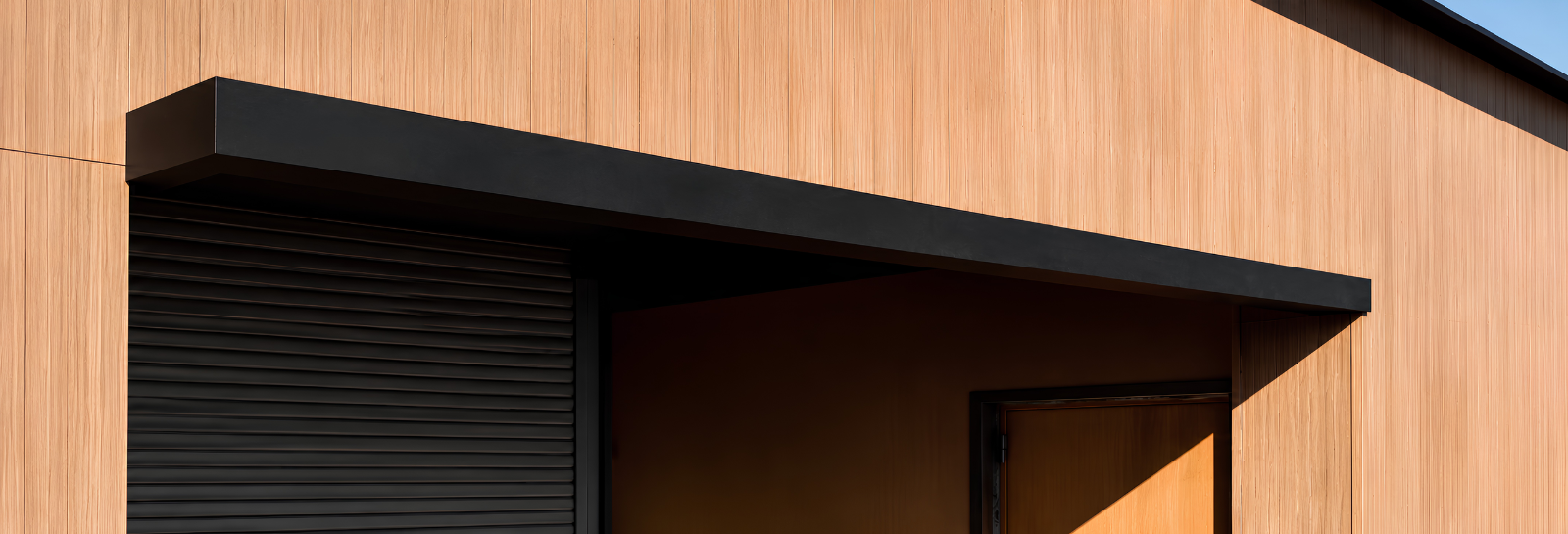
Common Errors in Exterior HPL Cladding Installation, Expansion Gaps, Fixing Systems & Ventilated Facade Issues – Complete Technical Guide
Exterior Compact HPL (High-Pressure Laminate) has become one of the most preferred façade materials globally, widely used in ventilated façade (rainscreen) systems due to its exceptional durability, weather resistance, and long service life.
However, across real-world projects, a critical and often misunderstood issue continues to appear:
Most failures in Exterior HPL cladding are caused by installation mistakes—not by the material itself.
Even the highest-quality HPL panels can fail prematurely if fundamental installation principles such as expansion gaps, fixing systems, and ventilation design are not correctly followed.
Purpose of This Technical Guide
This blog is designed to help:
● Architects
● Façade consultants
● Contractors & installers
understand the real reasons behind HPL façade failures and how to avoid them through correct installation practices.
What You Will Learn
● Common installation mistakes in Exterior HPL cladding
● Why HPL panels crack, warp, or fail after installation
● The role of thermal expansion, fixing systems, and ventilation
● Correct installation practices for long-term façade performance
Built Around Real Search Intent
This guide is structured using high-intent industry keywords such as:
● HPL installation mistakes
● Facade cladding installation errors
● Why HPL panels crack after installation
● Exterior HPL installation guide
● Thermal expansion in HPL panels
ensuring it addresses the actual concerns of architects, contractors, and decision-makers.
Based on Real Project Experience
At Samrat HPL, with over 9 million m² of Exterior Compact HPL installed globally (till 2025), one consistent insight stands out:
Installation discipline is as critical as product quality.
Understanding this difference is what separates a long-lasting façade from a failed one.
Let’s now understand why installation plays such a critical role in Exterior HPL façade performance.
Why Exterior HPL Installation is Critical
Exterior HPL panels are installed as part of a:
Ventilated facade (rainscreen system)
These systems must handle:
● Thermal expansion & contraction
● Wind loads
● Moisture movement
● Structural tolerances
👉 Even small mistakes in installation can lead to major façade failures
Top 10 Common Installation Mistakes in Exterior HPL Cladding
1. No Expansion Gap Between Panels (Biggest Mistake)
Problem
Ignoring HPL expansion gap requirement
Technical Impact
● Panels expand due to temperature
● No space to move
● Internal stress builds
Result
● Cracking
● Buckling
● Warping
Correct Practice
● Maintain 8–10 mm panel joint spacing
● Allow 2.5–3 mm per meter expansion
2. Rigid Fixing (No Sliding Point System)
Problem
Fixing all rivets tightly without movement
Technical Issue
Panels must expand and contract freely
Result
● Stress concentration
● Panel failure
Correct Practice
● 1 fixed point
● Remaining sliding points (+2 mm hole clearance)
3. Incorrect Hole Diameter (Critical Error)
Problem
Hole size = rivet size
Impact
● No expansion allowance
● Restricts movement
Result
● Cracks near fixing points
Correct Practice
● Hole diameter = +2 mm larger than fastener
4. Over-Tightening of Rivets / Fasteners
Problem
Clamping panels too tightly
Impact
● Panel cannot move
● Thermal stress builds
Result
● Cracks around rivets
5. No Ventilated Air Gap (Facade System Failure)
Problem
Improper ventilated facade installation HPL
Impact
● Heat accumulation
● Moisture trapping
Result
● Warping
● Reduced lifespan
Correct Practice
● Maintain 20–40 mm air gap
6. Poor Substructure Alignment
Problem
Uneven aluminium framework
Impact
● Uneven load distribution
● Panel bending
Result
● Visual defects
● Long-term stress failure
7. Ignoring Thermal Expansion of HPL Panels
Problem
Treating HPL like rigid material
Technical Reality
● HPL expands with temperature
Result
● Buckling
● Joint failure
8. Wrong Fastener Spacing
Problem
Incorrect HPL cladding fixing details
Impact
● Poor load distribution
Result
● Panel vibration
● Detachment under wind load
Correct Practice
● Follow 300–600 mm fixing spacing (as per design)
9. Ignoring Wind Load Calculations
Problem
No structural design consideration
Impact
● Weak fixing system
Result
● Panel failure in high-rise buildings
10. Improper Panel Handling & Cutting
Problem
Rough cutting / improper tools
Impact
● Micro cracks
● Edge damage
Result
● Early failure
Why HPL Panels Fail After Installation (Technical Summary)
Most failures occur due to:
● Thermal stress accumulation
● Mechanical constraint (rigid fixing)
● Improper ventilation
● Uneven support
👉 Not material defect—but installation error
Exterior HPL Installation – Best Practices
To avoid facade cladding installation errors, follow:
✔ Use ventilated facade system
✔ Maintain correct expansion gaps
✔ Apply fixed + sliding point concept
✔ Ensure proper hole diameter tolerance
✔ Maintain air gap behind panels
✔ Use trained installers
Samrat Exterior HPL – Designed for Installation Performance
At Samrat:
● High-density compact structure
● Controlled resin system
● Dimensional stability
👉 Ensures better performance even under site conditions
➡️ Related Technical Blogs
● Density of Exterior HPL: Why It Matters for Strength & Durability
● Why Exterior HPL Does Not Delaminate Over Time
● Wind Load Performance of Exterior HPL Facade Panels
● How PMMA Layers Improve Exterior HPL Performance
Frequently Asked Questions (SEO Section)
What are common mistakes in HPL cladding installation?
No expansion gap, rigid fixing, wrong drilling, poor alignment, and lack of ventilation.
Why do HPL panels crack after installation?
Due to restricted thermal expansion and improper fixing.
What is the correct gap for HPL panels?
Typically 8–10 mm between panels and 2.5–3 mm per meter expansion.
What is ventilated facade system in HPL?
A system with an air gap behind panels for ventilation and moisture control.
How to avoid HPL facade installation mistakes?
Follow correct fixing, spacing, expansion, and ventilation guidelines.
Conclusion
Exterior HPL cladding is a high-performance façade system, but its success depends heavily on correct installation.
Ignoring basic installation principles like expansion gaps, fixing systems, and ventilation can lead to serious façade failures.
With proper installation:
Long life
Structural stability
Aesthetic performance
can be achieved.
Samrat Exterior Compact HPL—engineered for durability, designed for real-world façades, and proven across 9 million m² globally—delivers reliable performance when installed with precision and expertise.