


Blog / May 18, 2026
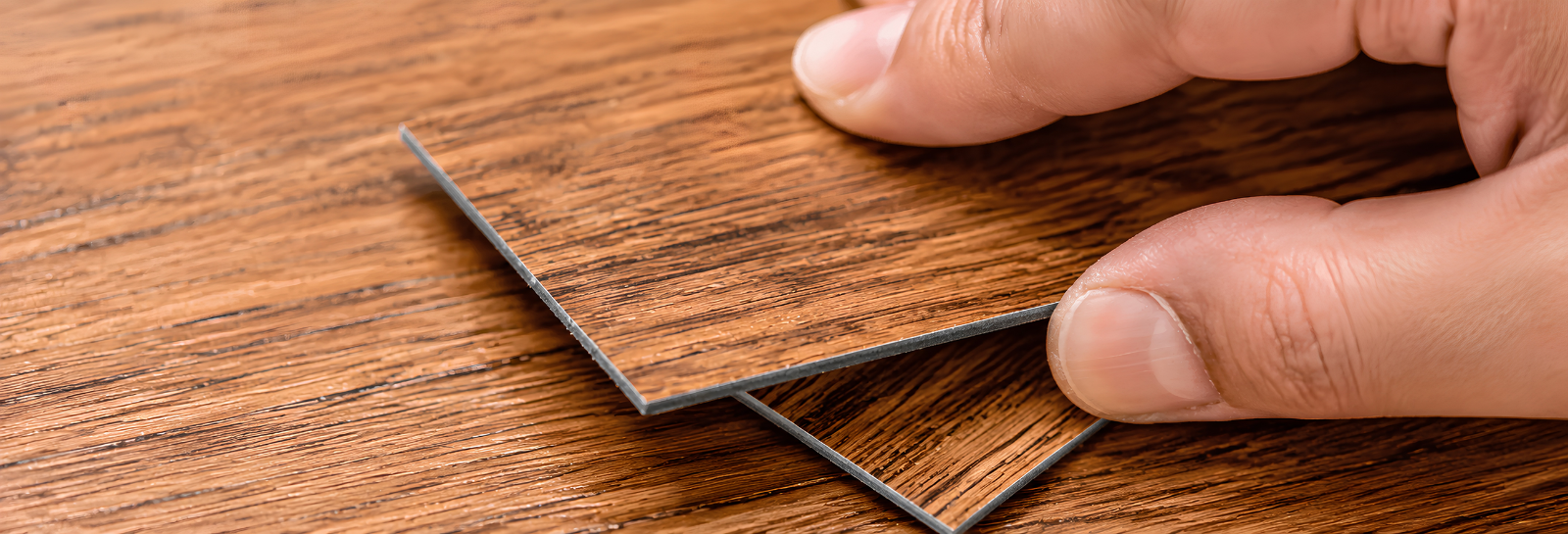
Why High Pressure & High Temperature Are Critical for Exterior HPL Durability The Science Behind High Pressure Laminate Manufacturing, Resin Curing, Panel Strength & Long-Term Facade Performance When architects and façade consultants evaluate Exterior HPL, they usually focus on: colour texture fire ratings weather resistance aesthetics But one of the…
Blog / April 27, 2026
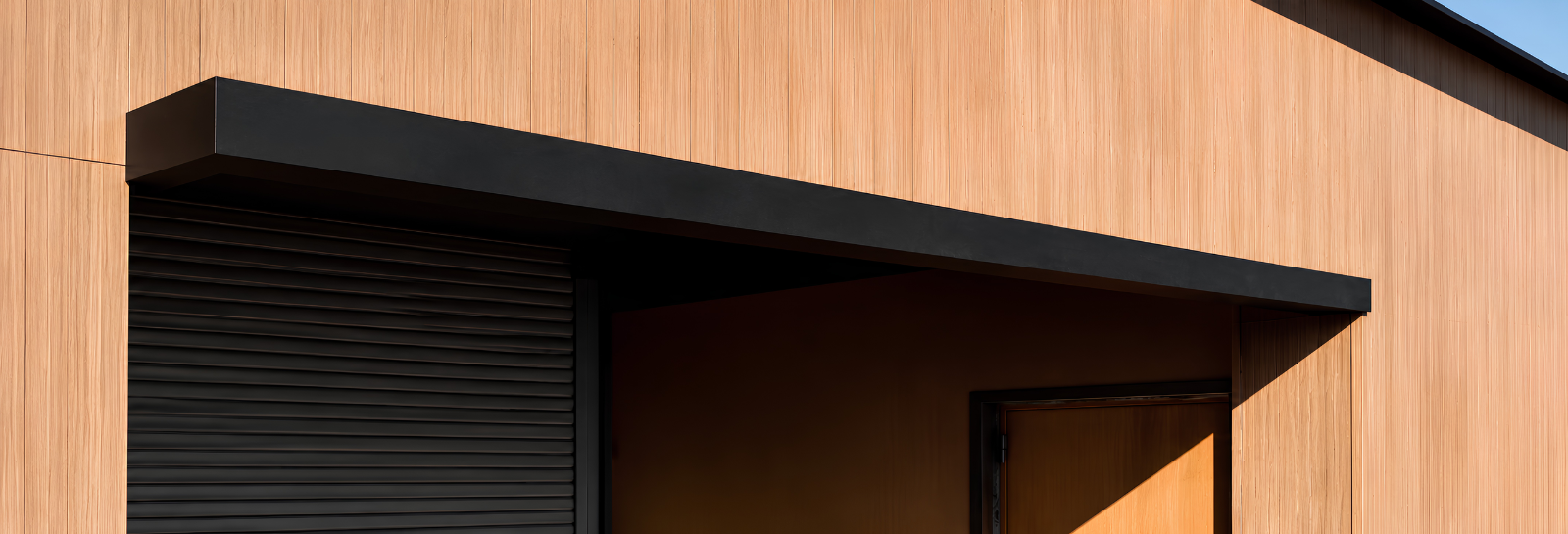
Common Errors in Exterior HPL Cladding Installation, Expansion Gaps, Fixing Systems & Ventilated Facade Issues – Complete Technical Guide Exterior Compact HPL (High-Pressure Laminate) has become one of the most preferred façade materials globally, widely used in ventilated façade (rainscreen) systems due to its exceptional durability, weather resistance, and long…
Blog / April 17, 2026
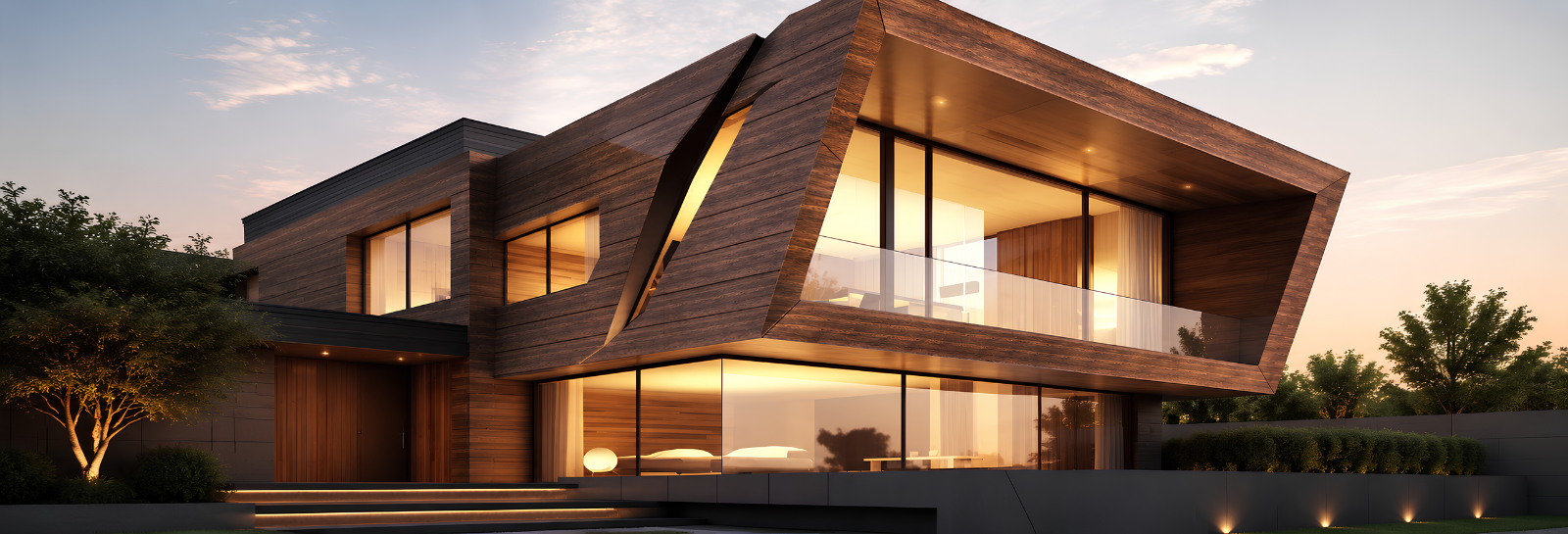
Deep Technical Guide on REACH Regulation (EU) 2023/1464, E1 vs E05, Resin Chemistry & Low VOC Exterior HPL – Samrat Exterior Compact HPL In modern European construction, façade materials are no longer judged only on strength and durability. Increasingly, VOC emission standards Europe, formaldehyde emission limits, and indoor air quality…
Blog / April 8, 2026
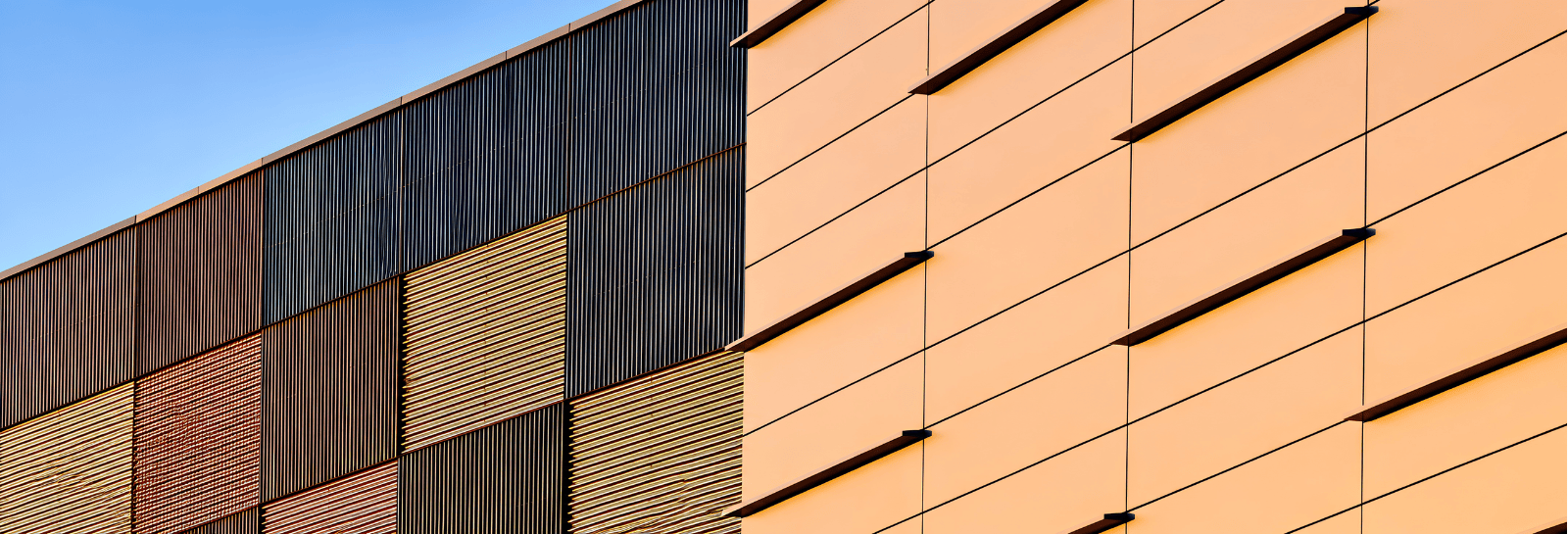
NRO Fire Classification, Facade Fire Safety Poland (Polska) & Exterior HPL Fire Certification Europe – Samrat Exterior Compact HPL In the European façade industry especially in Poland (Polska)—facade fire safety Poland (Polska) has become a critical approval requirement for modern cladding systems. One of the most important classifications used by…
Blog / April 6, 2026
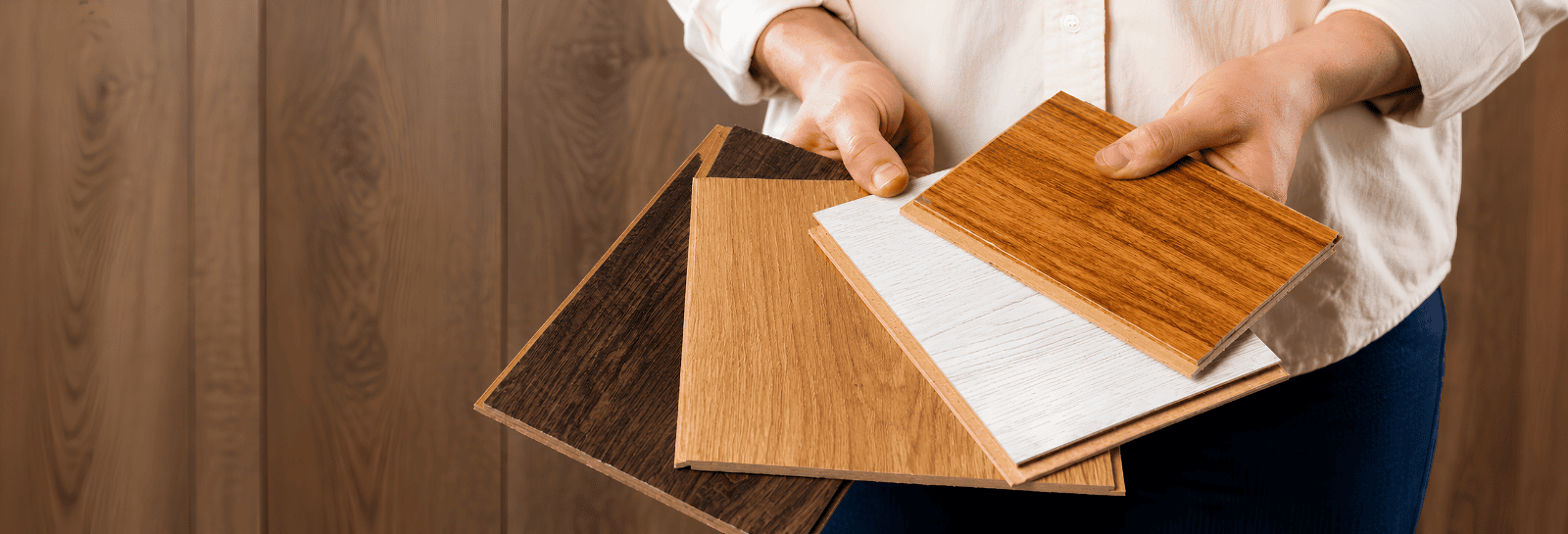
Understanding EN 438 Compact HPL, Test Values, Specifications & Real Facade Performance – Samrat Exterior Compact HPL When specifying exterior HPL panels EN 438 compliant, one of the most critical European standards is: EN 438 – The European Standard for High Pressure Laminate (HPL) This standard defines how…
Blog / April 6, 2026
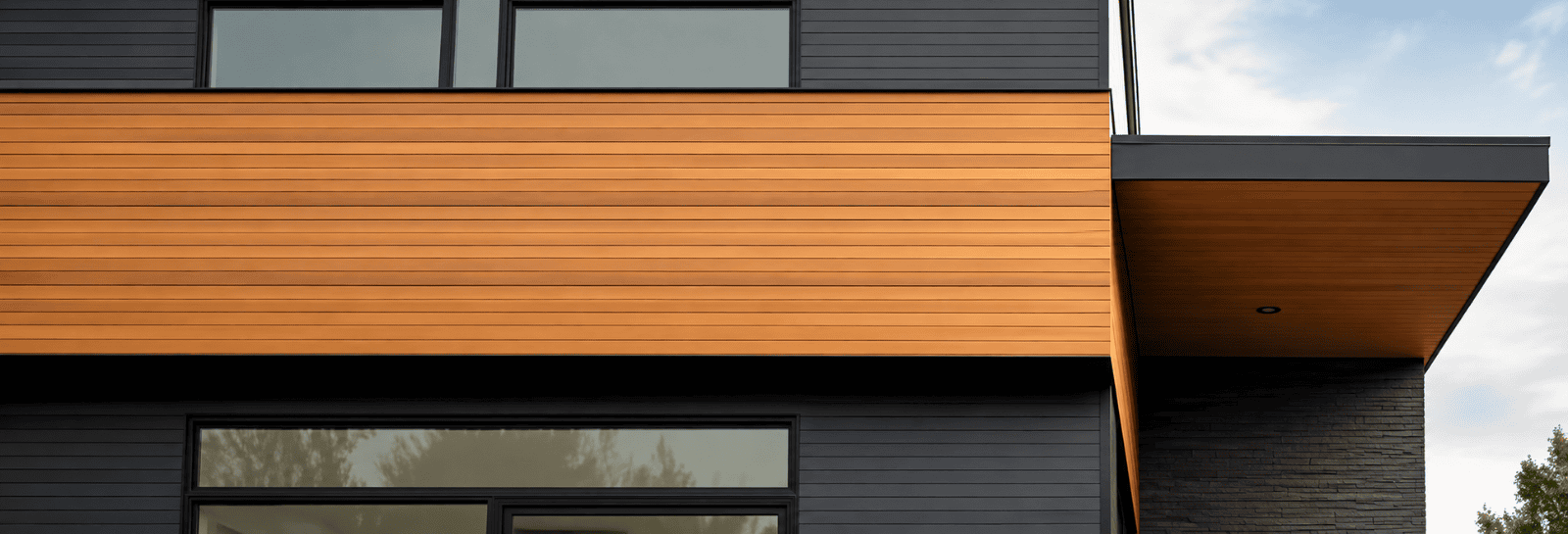
Modern Gevelbekleding, Real FR Performance & High-Performance Cladding Solutions – Samrat HPL Netherlands Guide The Netherlands is one of Europe’s most advanced façade markets, where design, sustainability, and fire safety (brandveiligheid) are equally critical. Architects and developers actively search for: HPL-gevelbekleding Nederland Gevelpanelen HPL Duurzame gevelbekleding Brandveilige gevelmaterialen (fire-safe…