


Blog / July 27, 2026
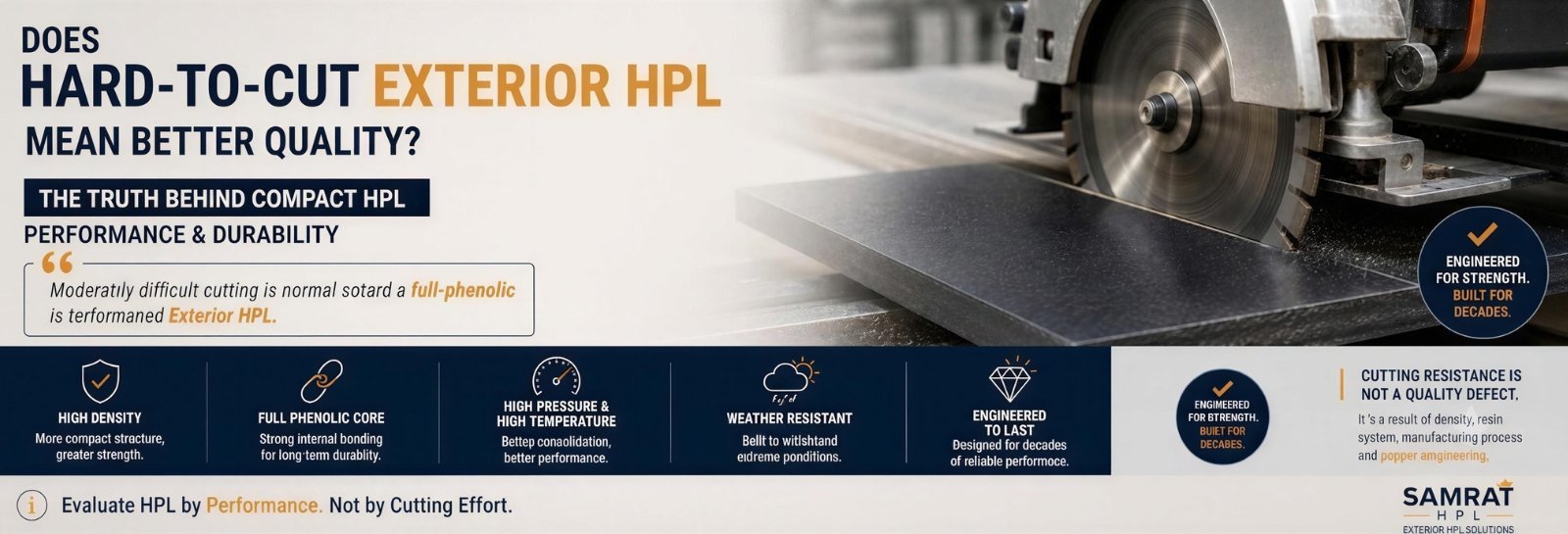
Does Hard-to-Cut Exterior HPL Mean Better Quality? The Truth Behind Compact HPL Performance, Density and Machining Among fabricators, installers and even some buyers, one statement is heard repeatedly: “This Exterior HPL is very difficult to cut. It must be poor quality.” Others believe exactly the opposite: “If the panel is…
Blog / July 24, 2026
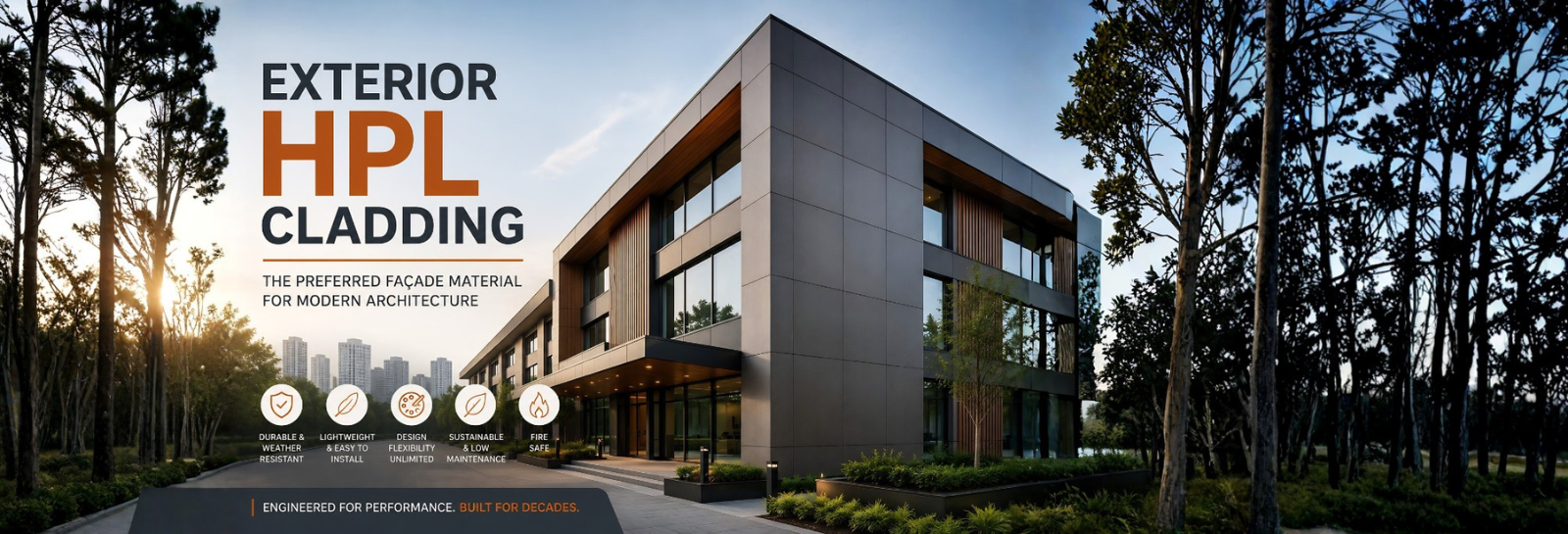
Why Exterior HPL Is the Preferred Façade Material for Modern Architecture A Technical Comparison of Modern Façade Materials and Why Exterior Compact HPL Continues to Gain Preference Among Architects Worldwide Modern architecture has evolved significantly over the last two decades. Today’s buildings are expected to do much more than simply…
Blog / July 15, 2026
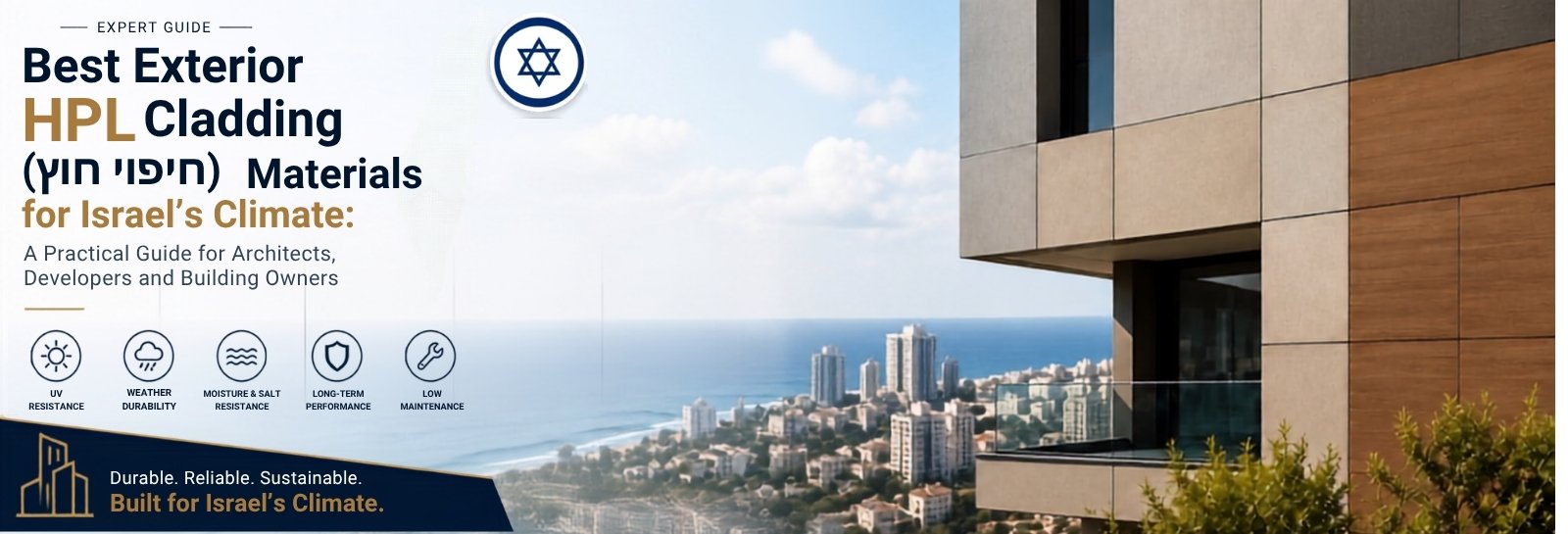
Best Exterior Cladding (חיפוי חוץ) Materials for Israel’s Climate: A Practical Guide for Architects, Developers and Building Owners The exterior façade of any building is one of its most visible and technically important elements. Beyond aesthetics, the façade protects the structure from weather, supports long-term building performance, and adds value…
Blog / July 9, 2026
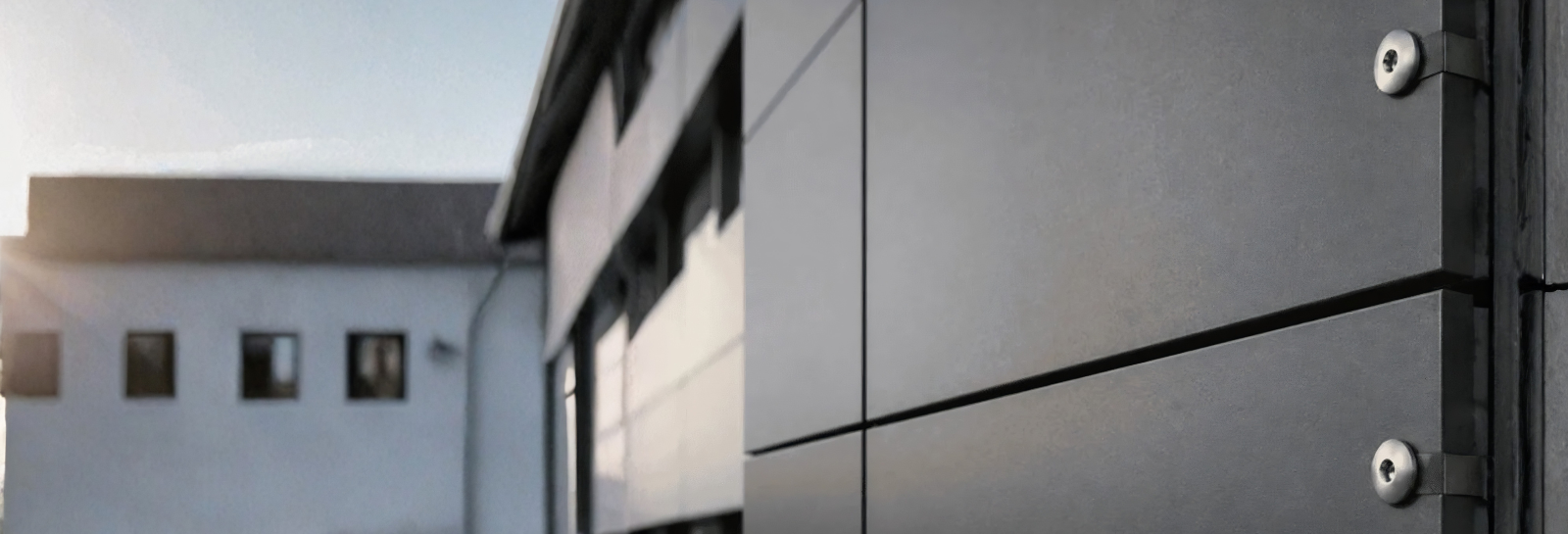
The Engineering Behind HPL Rivet Fixing, Thermal Movement & Long-Term Façade Performance Exterior Compact HPL is one of the most durable façade materials used in modern ventilated rainscreen systems. When properly engineered and installed, it delivers exceptional long-term performance against ultraviolet radiation, moisture, wind loading, freeze-thaw cycles and continuous environmental…
Blog / June 4, 2026
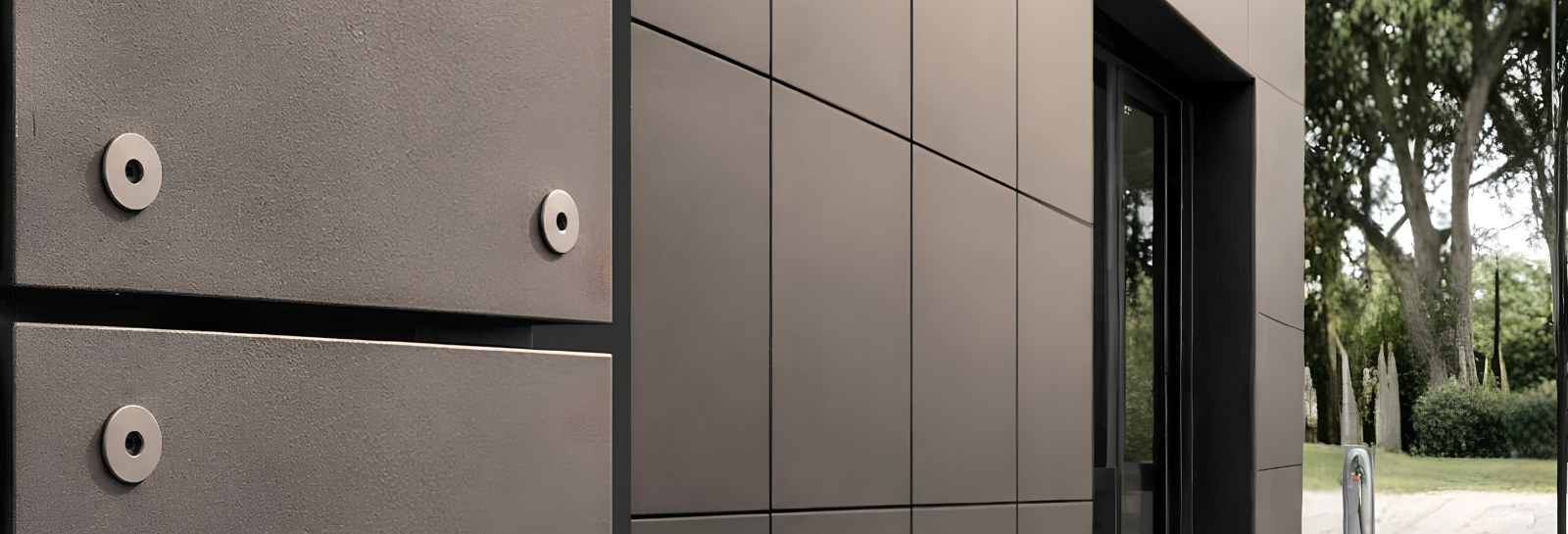
Expansion Gaps in Exterior HPL: Why They Are Critical for Preventing Cracks, Warping & Facade Failure The Science of Thermal Expansion, Joint Design & Long-Term Performance in Exterior HPL Facade Panels When architects and installers discuss Exterior HPL cladding, most attention is given to: Panel thickness …
Blog / June 1, 2026
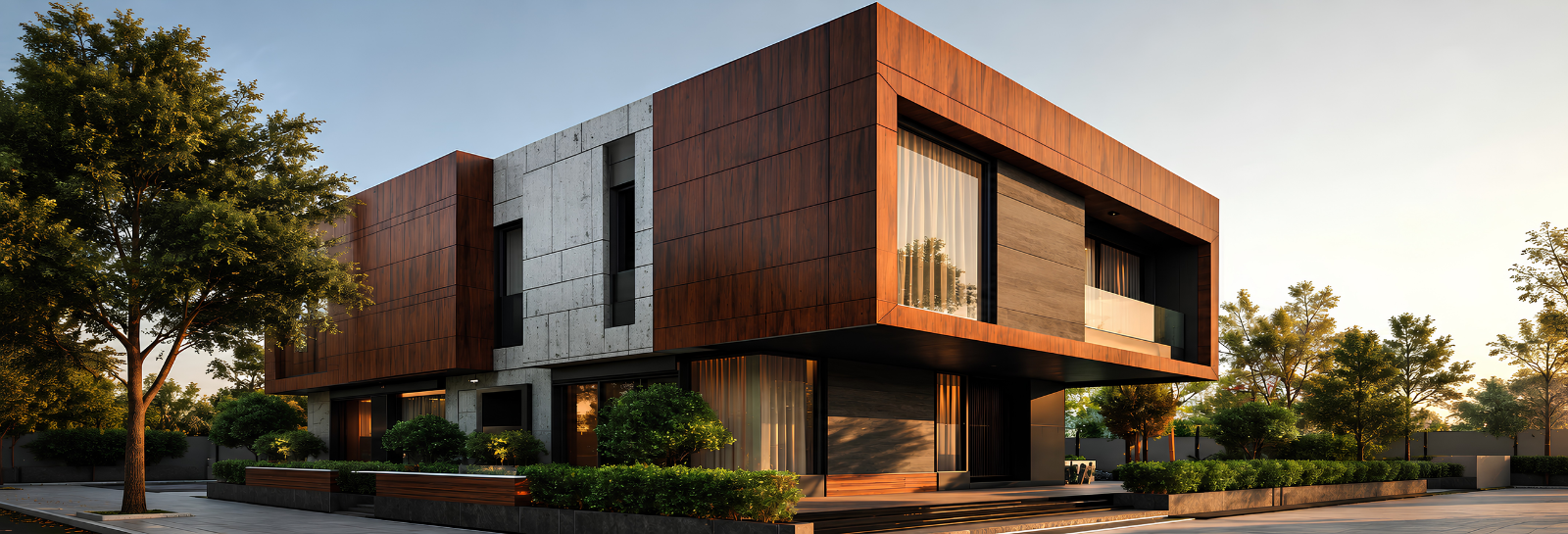
How Long Does Exterior HPL Cladding Last? A Practical, Technical & Real-World Guide to HPL Lifespan vs ACP & Fibre Cement When choosing a façade material, one question always comes up—sometimes directly, sometimes indirectly: “How long does HPL cladding last?” “Will this still look good after 10–15 years?” And in…